

Explore Categories
PMI Authorized Training Partner
Project Management Professional (PMP®) Certification Training
PMP Certification Training Course (PMP Zertifizierung)
Master Projects Efficiently with PMP Certification Course

30K+ Enrolled
Accredited by
Accredited by
Project Management Professional (PMP®) Certification Training
Project Management Professional (PMP®) Certification Training in Germany
Master Projects Efficiently with PMP Certification Course
Credential issued by
_1737025212.jpg)
Guaranteed to Run Workshops
Expert-Led Study Sessions
Networking Opportunities
Flexible Monthly Payment Plans
Real-World Case Studies
Hands-On Project Experience
450K+
Professionals trained
250+
Workshops every month
30+
Trainers
30K+ Enrolled

5% OFF
Coupon code "POP5"
Expires Next Tuesday
450K+
Professionals trained
250+
Workshops every month
20+
Trainers
Course Overview
German professionals coming to this course usually already hold some GPM training, an engineering degree, or both, so the course doesn't spend time re-explaining what a project is; it's built to get you through the PMP Certification exam on the first attempt. The course pairs theoretical frameworks with hands-on practice, real-world case studies, and 2,000+ scenario-based practice questions that mirror actual exam conditions.
It covers all seven modules of the updated PMBOK Guide and Exam Content Outline (ECO), from project vision and governance through to business adaptability and continuous improvement. Whether you're based in Frankfurt's banking district, Munich's engineering corridor, Berlin, or Hamburg, you can pick weeknight sessions, a weekend cohort, or an intensive boot camp, all delivered live online with no commute required. Prefer to go fully at your own pace? Try our PMP e-learning course instead.
As a PMI Authorized Training Partner (ATP), SimpliAxis delivers this program with the full PMI-approved 35 training hours, a mandatory eligibility requirement, plus personalized coaching so you walk into the exam room actually prepared rather than just familiar with the material.
Germany's project management market runs on a genuine home-field alternative that most PMP-focused pages ignore entirely: GPM (Deutsche Gesellschaft für Projektmanagement), the country's IPMA-affiliated national body, founded in 1979 and still running 6,500 to 8,000 members today, more than double the PMI Germany Chapter's roughly 3,300. That doesn't make PMP the wrong choice, Germany actually ranks third globally in project-professional pay according to PMI's own salary survey data, behind only the US and Australia, but it does mean a page built for the German market needs to say where PMP fits next to GPM/IPMA rather than acting like PMI is the only name in the room. Add an automotive and Mittelstand-engineering economy, a Frankfurt banking sector, and a pharma industry that all run large, cross-border projects, and PMP's actual pitch here is portability: the same credential your project manager holds in Munich means the same thing to a hiring manager in Singapore. Our PMP certification training follows PMI's predictive, agile, and hybrid curriculum and includes a 100% pass guarantee plus expert application support. Enroll today to build a credential that works across Germany's export-driven economy and beyond it.
PMP Training Highlights
2000+ Scenario-Based Practice Questions
Earn 35 PDUs
PMP Course Objectives
100 PM Math & Numerical Problems
PMP Cheat Sheets for Exam Prep
Exam Content Outline Tracker
Step-by-Step Study Plan
PMP Toolkit - Hands-On Experience
PMI-Approved 35 Contact Hours
PMP Exam Application Assistance
2000+ Scenario-Based Practice Questions
Exam Content Outline Tracker
Earn 35 PDUs
Step-by-step study plan
PMP Course Objectives
PMP-Tool kit- Hands on Experience
100 PM Maths & Numerical numbers
PMI-Approved 35 Contact hours
PMP Cheat Sheets for Exam Prep
PMP Exam Application Assistance
Career upliftment
Average Salary
57K
Min
64K
Average
84K
Max


Hiring Companies


Demand

20%
Demand%
Average Salary
60K
Min
75K
Average
88K
Max
Hiring Companies
Demand
25%
Demand%
Average Salary
59K
Min
103K
Average
128K
Max
Hiring Companies

Demand
20%
Demand%
Holding a PMP or Scrum certification in Germany acts as a critical differentiator, immediately qualifying you for high-paying roles across the country's multi-billion euro IT and industrial pipelines. Because meticulous risk mitigation and structured delivery are non-negotiable for German enterprises, certified project managers enjoy a 21% to 25% salary premium over non-certified peers.
Holding a PMP or Scrum certification in Germany acts as a critical differentiator, immediately qualifying you for high-paying roles across the country's multi-billion euro IT and industrial pipelines. Because meticulous risk mitigation and structured delivery are non-negotiable for German enterprises, certified project managers enjoy a 21% to 25% salary premium over non-certified peers.
Unsure about your prep?
Benefits focused on Individuals and corporate

Common attendees
This course brings together German project professionals ranging from those just starting out to senior leaders adding an internationally-recognized credential alongside their GPM background. Common attendees include:
Experienced and Senior Project Managers seeking formal credential validation
Program Managers overseeing interdependent project portfolios
PMO Directors and Portfolio Managers aligning project delivery with strategic objectives
IT Project Managers working on technology transformation programs
Aspiring Project Managers transitioning into the PM profession
Project Team Members and Project Coordinators pursuing the PMP credential
Project Analysts and Team Leaders building foundational PM skills
GPM/IPMA-qualified professionals looking to add a globally recognized credential for multinational roles
Prerequisites for PMP certification training
You can enroll in the PMP certification by meeting any of the following sets of eligibility criteria defined by the PMI:
Set A
Upper-secondary education with at least 60 months (5 years) of non-overlapping experience leading projects within the past 10 years.
Set B
Post-secondary or advanced technical/vocational program, with at least 48 months (4 years) of non-overlapping experience leading projects within the past 10 years.
Set C
Bachelor’s degree or an equivalent advanced professional/vocational qualification, with at least 36 months (3 years) of non-overlapping experience leading projects within the past 10 years.
Set D
A bachelor's or postgraduate degree from a PMI Global Accreditation Center (GAC)-accredited program with at least 24 months (2 years) of non-overlapping experience leading projects within the past 10 years.
Apart from the above education and experience, all participants must take 35 hours of project management training or CAPM certification through PMI-authorized training providers.

Exam Format
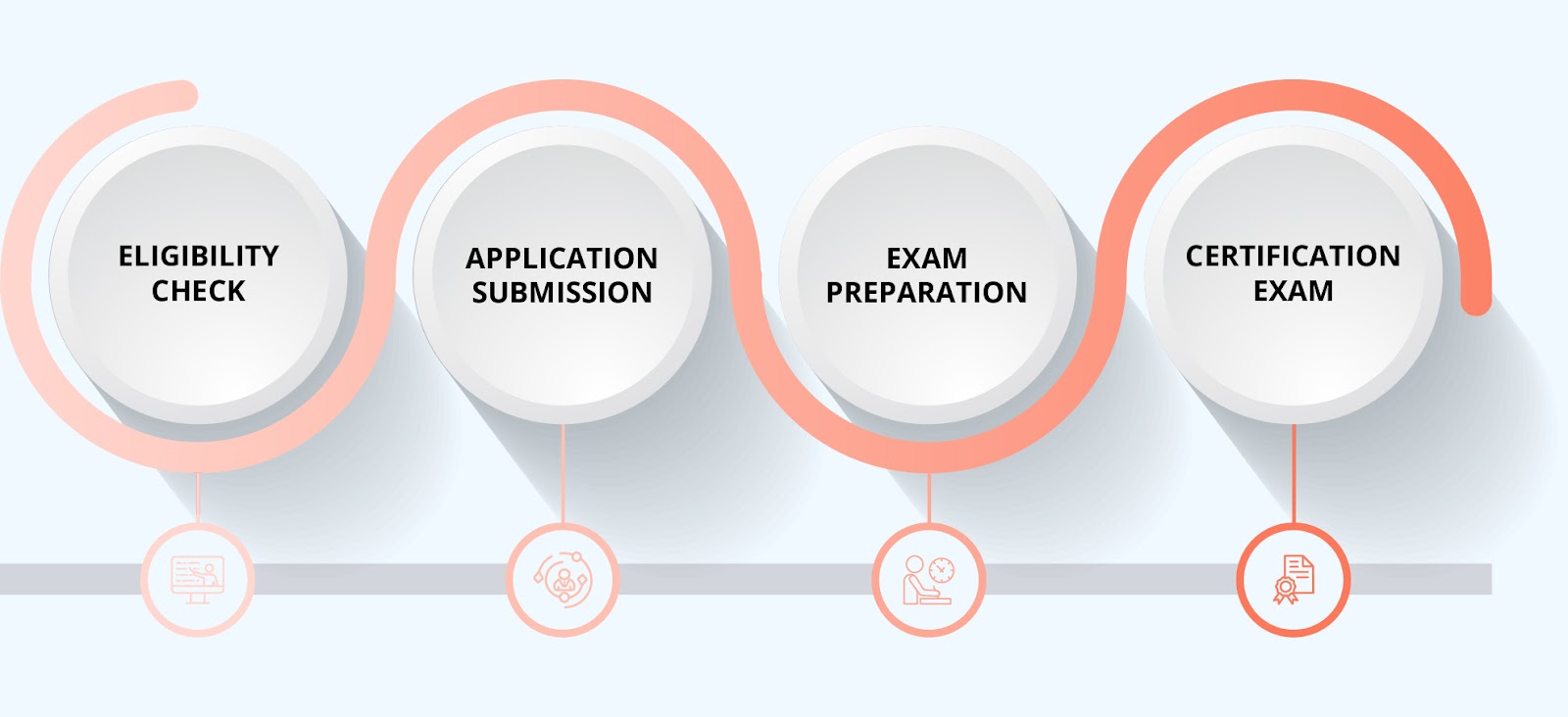
Eligibility Check:
Confirm that your academic qualifications and professional project management experience meet PMI's PMP certification prerequisites before beginning the application process.
Application Submission:
Fill out and submit your PMP application online through PMI's official website, ensuring all project details, education, and experience are accurately and thoroughly documented.
Exam Preparation:
Join SimpliAxis’s PMI-authorized live online PMP training in Germany to master key concepts, practice with mock tests, and build exam confidence.
Certification Exam:
Schedule your PMP exam at a Pearson VUE test centre or via online proctoring, take the test confidently, and upon passing, earn the globally recognized PMP credential to advance your career.
Get the PMP Certification

_1726834249.jpg)

Curriculum
Building Strategic Project Foundations
Building High-Performing Project Teams
Creating Effective Project Execution Strategies
Optimizing Project Performance
Managing Project Uncertainty
Ensuring Successful Project Completion
Driving Long-Term Project Success
course schedules

Exclusive Bonus Offers with Simpliaxis PMP Training
Register today with us & Get Free Practice Tests And Course Videos Worth
$500
What you will learn in this PMP workshop
After completing the PMP certification training course, participants will be able to:
Fundamental Concepts:
Understand project lifecycle models, knowledge areas, and PMBOK process groups across predictive, agile, and hybrid environments
Effective Practices:
Implement best-practice planning, execution, and monitoring techniques that improve project success rates.
Problem-Solving:
Apply structured approaches to identify root causes, resolve conflicts, and mitigate project risks proactively.
Communication:
Master stakeholder communication strategies that drive alignment, transparency, and collaborative decision-making.
Budget and Schedule Management:
Build and manage project budgets, resource plans, and delivery schedules with precision.
Leadership Development:
Lead diverse project teams with confidence, applying situational leadership and emotional intelligence.

40+ Certification programs made an impact
Employee retention improved by 45%
Work satisfaction and capabilities improved by 30% on an average
100+
Clients


PMP Certification Course For Corporates
German automotive and engineering firms, banks, and pharmaceutical companies turn to SimpliAxis for dedicated corporate PMP exam training built around their own delivery model. Each programme is tailored to your organization's project delivery framework, team size, and learning objectives, delivered entirely online for maximum flexibility.
Our Customer words for us










Meet the Team That's Invested in Your Success
Gunesh Apte
Experience: 27+ Years
PMP

Visakh RJ
Experience: 12+ Years
Project Management | PMP Trainer
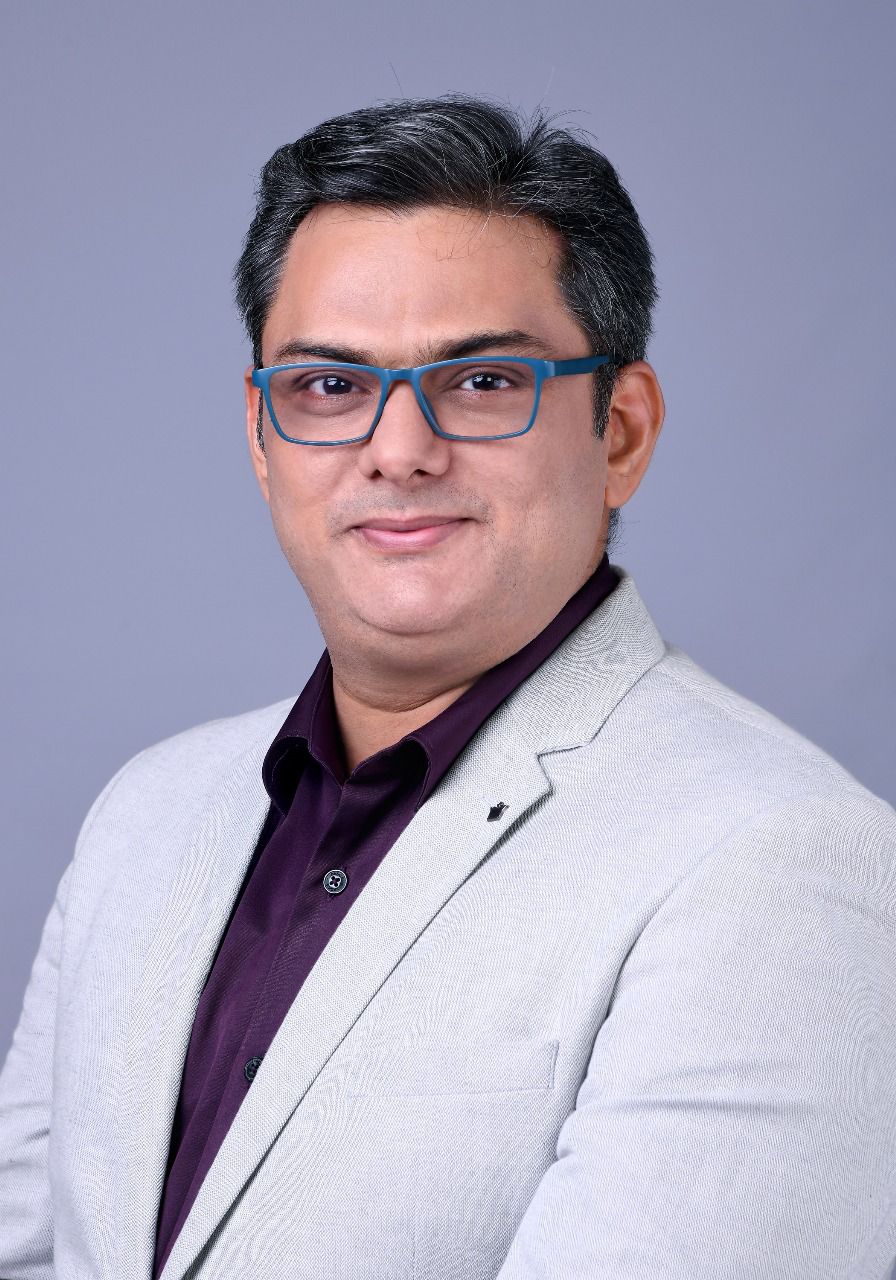
Ravikumar Krishnan
Experience: 20+ Years
Portfolio Management Professional (PfMP) , Program Management Professional (PgMP)® ...

Shashank Shastri
Experience: 25+ Years
PMP certification training, Corporate AI Education workshops...

Laxman Narayan
Experience: 20+ Years
Project Management
What is the PMP Certification cost in Germany?
Should I get PMP or GPM/IPMA certification in Germany?
Is PMP certification worth it in Germany?
Can I get PMP certified without a bachelor's degree?
How hard is the PMP exam, and how should I study?
Is PMP still relevant now that so many teams use Agile?
Does SimpliAxis offer PMP certification boot camp training in Germany?
How many PDUs do I earn from SimpliAxis's PMP training course?
Can I take the PMP exam in German?
Is there a PMI chapter in Germany, and how does it compare to GPM?
Can my organization get corporate PMP exam training in Germany?
What makes SimpliAxis's PMP prep course different from other Germany-targeting providers?
What is the PMP certification exam pattern?
What are the job opportunities for PMP-certified professionals in Germany?
What certification is required to enroll in the PMP certification course?
What is the fee for PMP certification training in Germany?
Do you offer PMP certification training across all of Germany?
What does the PMP exam format actually look like: question count, timing, and domain weightings?
What's changing with the PMP 8th edition and the new PMBOK Guide, and does it affect my exam?
What is the actual PMP exam pass rate, and how many hours should I really study?
Can I retake the PMP exam if I don't pass on the first attempt?
How much does PMP certification Training actually cost, and is that the same as the exam fee?
What are the real PMI membership benefits, and is it worth joining before I apply for the PMP?
What payment options are available?
What cards do you accept?
Is there any transaction or processing fee?
Where will I get my payment receipt?
Will I get a refund if I cancel my enrollment?
Can I pay for the course in installments, or is full payment required upfront?
Do you offer any discounts or promotions for early payment?
Can payments be made online through your website, or do I need to visit a physical location?
Is there a preferred currency for payment, especially for international students?
What happens to my token or partial payment if I don’t enroll immediately?
How much discount will I get if I enroll for the Training?
What is the object of Simpliaxis?
Why should I choose Simpliaxis?
Are your courses affordable?
Whom do I contact if I have more queries regarding my course?
Is there any discount available for the Simpliaxis courses?
Who are the instructors of my course?
Do you offer corporate Training?
Do you offer online Training?
What are the different modes of Training available for Simpliaxis courses?
What are the different courses offered by Simpliaxis?
How do I enroll in the training course?
Do I get any certificate upon completion of the course?
What if I miss a class? Are there any money back options?
After enrollment, can I change the date of my training class?
Where do I find the upcoming schedules of my course?
Can I receive personalized Training at my convenience?
Is there any option to complete the Training in the native language if a participant chooses to?
If I want to know more about Training, whom should I connect with?
PMP Course FAQs
PMI's exam fee is $405 for PMI members and $655 for non-members per attempt, billed in US dollars. PMP certification renewal costs $60 every 3 years for PMI members and $150 for non-members. Training course fees vary by provider and format, and 19% VAT may apply depending on the provider. SimpliAxis offers competitive pricing with group and early-bird discounts. Contact SimpliAxis for current rates.
The PMP exam covers 180 questions across three domains (People, Process, Business Environment) in 240 minutes, and is widely considered rigorous because it tests applied judgment, not just memorization. Most candidates prepare with structured training (the 35 required contact hours), several hundred to a few thousand practice questions, and 6-10 weeks of dedicated study. This course includes 2,000+ scenario-based practice questions and a step-by-step study plan for exactly this reason.
Yes. The PMI Germany Chapter e.V. describes itself as the largest project management forum in the country, with 3,300+ members organized into five regions (North, East, Central, West, South), each running local groups in cities like Hamburg, Berlin, Frankfurt, Cologne, and Munich, and a combined 100+ events per year. GPM (Deutsche Gesellschaft für Projektmanagement), Germany's IPMA-affiliated national body since 1979, is larger by membership (6,500 to 8,000) and is the more established domestic institution, particularly recognized inside Mittelstand firms. Both are worth engaging with depending on whether your priority is PMI-specific networking or the broader German PM establishment.
Absolutely. SimpliAxis specializes in corporate PMP exam training for German organizations, offering customized virtual group programs for automotive and engineering firms, banks, and technology companies. Programs are tailored to your team's size, sector, and delivery methodology, including organizations that need PMP and GPM/IPMA practice to coexist. Contact SimpliAxis for a group training quote.
180 questions (170 scored, 10 unscored pre-test) in 240 minutes with two 10-minute breaks, covering three domains: People (33%), Process (41%), and Business Environment (26%). The exam is delivered in-person or via computer-based, paper-based, or online proctored testing. PMI does not publish a fixed passing score; it uses a scaled, psychometric scoring system instead of a standard percentage.
No prior certification is required to enroll in a PMP certification training course. However, you must meet one of the eligibility criteria defined by PMI, which includes prior project management experience and educational qualifications (see the eligibility pathways above). If you don't yet qualify, consider our CAPM Certification Training instead.
SimpliAxis delivers live online PMP certification training accessible to professionals across Germany, including major centres such as Frankfurt, Munich, Berlin, Hamburg, and Cologne, plus dedicated pages for specific cities like Munich, Frankfurt, Darmstadt, and Hamburg. Wherever you're based, our fully virtual live online training delivers the same instruction quality. Our PMP Certification Training schedules are updated regularly to ensure availability across time zones and working schedules.
l project manager. Rest assured that you will receive the best guidance and support to achieve your goal.
The PMP exam is 180 questions, split across three domains: People at 33%, Process at 41%, and Business Environment at 26%, and you get 230 minutes, roughly four hours including two 10-minute breaks, to work through it.
Knowing that breakdown changes how you should actually study, not just how you feel walking in. If Process alone carries 41% of the exam, that's where a disproportionate share of your practice hours belongs, not an even three-way split across domains like a lot of self-taught candidates assume. PMI's own exam content outline and preparation guide lays out the exact task statements tested in each domain, and our PMP practice tests are weighted the same way, so your practice time mirrors how the real exam is actually scored.
The PMP 7th edition exam remains available through July 8, 2026. The 8th edition exam takes effect July 9, 2026, aligned to the new PMBOK Guide, 8th Edition, and your training hour and PDU requirements stay exactly the same either way.
If you're on the fence about when to sit the exam, this date should be the deciding factor, not your calendar convenience. Candidates testing before July 9, 2026 should be studying the 7th edition content outline; anyone testing after that date needs to be building their whole study plan around the 8th edition from day one, since PMI doesn't let you mix material from both. Our course content is kept current to whichever edition is live when you enroll, and PMI's PMBOK Guide standard is the authoritative word on exactly what's new if you want to compare editions yourself.
PMI stopped publishing an official pass rate back in 2005, but independent estimates place first-attempt success somewhere between 60 and 70 percent, with most candidates putting in 60 to 120 hours of study before sitting the exam.
That range is wide on purpose, and the honest answer is that your odds track much more closely with the quality of your practice than the raw hour count. Someone with eight years of project leadership who studies for six focused weeks is in a very different position than someone at the minimum three-year threshold cramming over a long weekend, even if both log the same total hours. That's why our course leans so heavily on scenario-based practice and affinity boards instead of passive lecture time, and it's worth checking where you'd land today using our free PMP practice tests before you commit to a specific study timeline; PMI also keeps a running certification FAQ if you want their framing on exam readiness.
Yes. You get up to three attempts within one year of your application being approved, and if none of the three go your way, PMI requires a one-year wait before you can reapply.
Nobody plans for this scenario going in, but the rules exist to reduce pressure, not add to it: a first attempt that doesn't work out isn't a closed door, it's data about which domain needs more attention before attempt two. Most candidates who retake within a few months of a first attempt pass on the second try, mainly because they can now target their remaining study hours instead of spreading them evenly across everything. If you're rebuilding a study plan after an attempt, our PMP practice tests are built specifically to flag which domains still need the most work.
No. PMP training costs and the PMI exam fee are two separate expenses. The price you pay to a training provider typically covers preparation and the required project management education, while the PMP exam fee is paid separately to PMI after your application is accepted and you are ready to schedule the exam.
As of September 2026, PMI lists the PMP exam fee at $425 for PMI members and $675 for non-members. Fees can vary by regional location, so the amount shown to you by PMI during the application and payment process may differ.
For PMP eligibility, PMI currently requires 35 hours of project management training unless you qualify through the applicable alternative pathway. That training can be completed through an PMI Authorized training partner, so its price is separate from the PMI examination fee.
If you're comparing PMP certification costs, make sure you're comparing the same components: training + PMI exam fee + any applicable PMI membership cost. You can check PMI membership pricing directly on PMI's website, while our PMP training schedules section of this page provides current training dates and pricing.
PMI membership gets you a lower exam fee, free access to the PMBOK® Guide 8th Edition and other PMI standards, PDU-earning webinars and templates, and a network of local chapters, on top of renewal discounts once you're certified.
The membership fee looks like an extra cost the first time you see it, but run the numbers before skipping it: the exam fee discount alone, PMI members pay $425 and $675 for Non PMI Member, before you even count the free standards access or PDU resources you'll want anyway once you're maintaining your certification. It's a small upfront decision that quietly pays for itself. PMI's own membership page has the current fee structure and everything included.
You can reach out to our experienced career counselor
or email us on support@simpliaxis.com
or contact any of our phone numbers
or you can chat with us anytime
or visit our contact us page https://www.simpliaxis.com/contact-us
PMI Approved Authorized Training Partner
We have been officially audited and authorized by PMI, the Project Management Institute. This means that we use the best training material available on the market, already created by the PMI, to help you become an excellent project manager. It also shows that our training programs meet the PMI's requirements.
So What Does This Mean To You?
You can rely on and trust our training programs. Our PMP exam preparation courses, delivered by expert PMI-certified trainers, are designed to give you everything you need to pass your exam and become a professional project manager. Rest assured that you will receive the best guidance and support to achieve your goal!

Find out why 1,000+ professionals love SimpliAxis
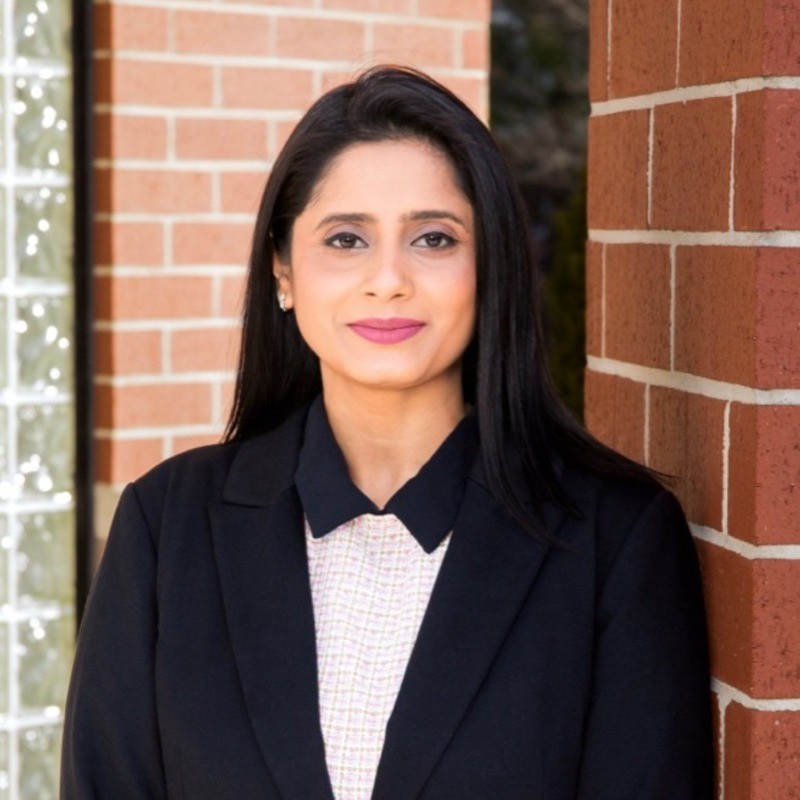
Ankita Patel
Now a certified PMP - Project Management Professional. Project Management Institute. Ecstatic to share this new achievement, especially the certification, which is not theory-based but tests your skills and how you would manage your people, processes, and actions in a Business environment with situation-based questions. Had worked hard and put in loads of effort and seems like they paid of really well.
ISPOR
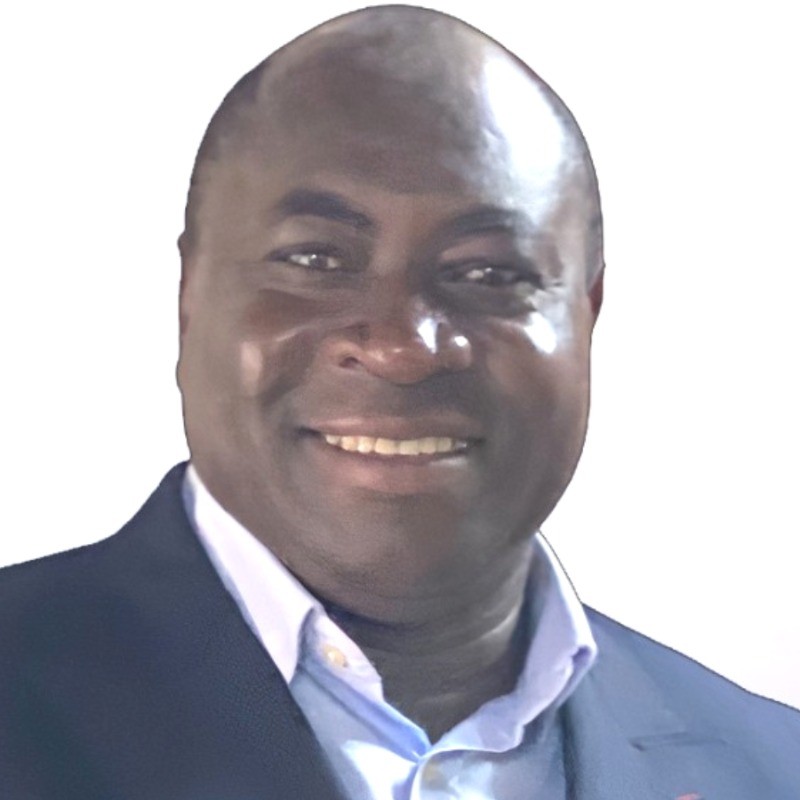
Benjamin Tanyi Oben
What a great way to end the year by transforming 15+ years of experience managing projects to the next level by earning a new certification: Project Management Professional (PMP)® from Project Management Institute, all thanks to hashtag#SimpliAxis and our great trainer hashtag#HanuMalineni.
Euromonitor International

Sneha Keshwani
🎉 I’m officially PMP certified — a goal years in the making! 🎯When I started my first job back in 2010, earning the PMP felt like a distant dream. I didn’t think I had the experience — or the courage — to pursue it.In June 2023, after 8 years of management experience, a PM coworker said, 👉 “You’re ready for this.”That one moment gave me the push I needed.
Electric Power Engineers
Mark P
Achieved my Project Management Professional (PMP)® certification from Project Management Institute! Thank you to Sunil Agrawala, MS, PMP & Simpliaxis for the fantastic training. hashtag#PMP
Global Recognition:
Every course is recognized by the most reputable certification organizations globally, ensuring credibility and acceptance in all industries.
Expert Trainers:
Gain knowledge from trained and experienced trainers who impart real-world business insights and practical experience to the classes.
Flexible Learning:
A variety of learning methods, including classroom, online, and corporate training, to meet the needs of different individuals and their schedules.
Lifetime Access:
Enjoy year-round access to session recordings, course materials, and study tools.
Proven Track Record:
A reputable training provider with extensive experience helping professionals and organizations improve their capabilities and meet their career ambitions.
End-to-End Assistance:
Ongoing support before, during, and after training, including study material, exam guidance, and certification and career-choice advice.
Interactive and Engaging Training:
Sessions designed to be highly interactive, featuring real-world scenarios, group participation, and Q&A to aid understanding.
A Wide Range of Courses:
Various internationally recognized certification courses in Agile, Scrum, SAFe, DevOps, Project Management, and more.


Thank you!
We’ve successfully received your request.
Our Learning Advisor will reach out to you shortly.

GPM has been certifying German project managers since 1979, sixteen years before the PMI Germany Chapter existed at all, and that head start still shows in the numbers today: GPM's membership (6,500 to 8,000) still outnumbers the PMI chapter's roughly 3,300, nearly half a century later. A German professional weighing PMP already knows this, so pretending GPM/IPMA doesn't exist is the fastest way to lose credibility with this particular audience. What actually shifts the calculation is Germany's own economic structure: Volkswagen, Siemens, and SAP don't run purely domestic projects, they run programmes with suppliers in Shanghai, customers in Detroit, and regulators in Brussels, and PMI's own salary data ranks Germany third in the world for project-professional pay precisely because that cross-border complexity commands a premium. PMP earns its place here as the credential that reads the same way in a Wolfsburg supplier negotiation as it does in a Shanghai one, not as a replacement for GPM's domestic standing.
German workplace culture takes protected personal time seriously; a live class that assumes everyone's still logged on at 7pm is going to lose half its Munich-based cohort. SimpliAxis's PMP training runs weeknight sessions timed around, rather than against, standard German working patterns, plus weekend cohorts and an intensive boot-camp format for anyone who'd rather clear the requirement in one concentrated week. Every format still delivers the same PMI-approved 35 training hours and the same SimpliAxis 100% pass guarantee, whether you're in Frankfurt, Munich, or dialing in from a Mittelstand firm in a smaller city no training provider bothers building a dedicated page for.
Ask a German hiring manager why they'd want PMP specifically, and the honest answer usually isn't "it's better than GPM," it's "it's legible to people who aren't German." A PMP holder's project experience translates directly onto a CV read in Singapore, São Paulo, or Seattle without anyone needing to already know what IPMA Level C means. For a workforce inside one of the most export-dependent economies on earth, that legibility is the actual product; held by well over a million professionals worldwide, PMP is simply the version of "I can run a project" that doesn't need a footnote.
PMI requires 60 PDUs every three years to keep a PMP active, split across Technical Project Management, Leadership, and Strategic and Business Management, the same requirement everywhere PMI operates. SimpliAxis's ongoing catalogue of webinars and e-learning modules covers most of that without much friction, and the platform tracks the running total automatically. For the in-person side, the PMI Germany Chapter's regional groups run 30 to 40-plus events a year apiece across five regions, genuinely the more practical way to earn PDUs face to face than hunting for an English-language PMI event in a country where GPM still dominates the conference circuit.
German salary data splits cleanly by sector, and it's worth reading that way rather than as one national number. A Frankfurt banking PM, a Munich automotive-engineering PM, and a Berlin IT PM are not competing for the same pay band, even with the same job title. Based on 2026 compensation data, here is what project management professionals earn nationally, with sector variation noted where the data supports it:
| Job Role | Salary Range | Source |
|---|---|---|
| Project Manager | €57,000 – €84,188/year (Avg. ~€64,350) | Glassdoor Germany |
| IT Project Manager | €60,875 – €88,000/year (Avg. ~€75,000) | Glassdoor Germany; Robert Half 2026 Gehaltsübersicht |
| Senior Project Manager | €75,500 – €115,000/year (Avg. ~€94,500) | Glassdoor Germany |
| Program Manager | €69,000 – €113,000/year (Avg. ~€95,000, Frankfurt) | Glassdoor Germany |
| PMO Manager | €59,375 – €103,150/year (Avg. ~€71,500), up to €128,200 at the 90th percentile | Glassdoor Germany |
The PMI Germany Chapter, citing PMI's own Earning Power Salary Survey, reports PMP-certified professionals in Germany earning a 33% average premium over non-certified peers, and Germany ranking third worldwide for project-professional pay at a median $99,512 (behind only the US and Australia). Around Germany, PMP certification is frequently a preferred qualification for Senior PM, Program Manager, and PMO Director roles at employers including SAP, Volkswagen Group, Siemens Energy, BMW, Bosch, and Deutsche Telekom, all of which maintain an active project and program management workforce as of 2026.
| Item | Details |
| PMP Exam Fee (PMI Members) | $425 per attempt |
| PMP Exam Fee (Non-Members) | $675 per attempt |
| PMI Annual Membership | $139/year (reduces exam fee and provides member resources) |
| PMP Certification Renewal Cost | $60 every 3 years (PMI Members) | $150 (Non-Members) |
| PMP PDU Renewal Requirement | 60 PDUs every 3-year certification cycle |
| SimpliAxis PMP Training Fee | €650 to €1,000 |
PMI's exam and membership fees are set and billed in US dollars regardless of candidate location, per PMI's official PMP certification page; budget for currency conversion and note that 19% German VAT may apply to training fees depending on provider. PMP certification renewal cost is minimal relative to the salary premium it unlocks. SimpliAxis offers flexible payment plans and group discounts for corporate PMP exam training.
Courses based on location


.webp)


Our privacy policy © 2018-2026, Simpliaxis Solutions Private Limited. All Rights Reserved

 Call Us

















 Boost your confidence before the final exam


















 USA
USA  Canada
 India
India UK
UK Australia
 Singapore
