


 Call Us
_1738228599.jpg)


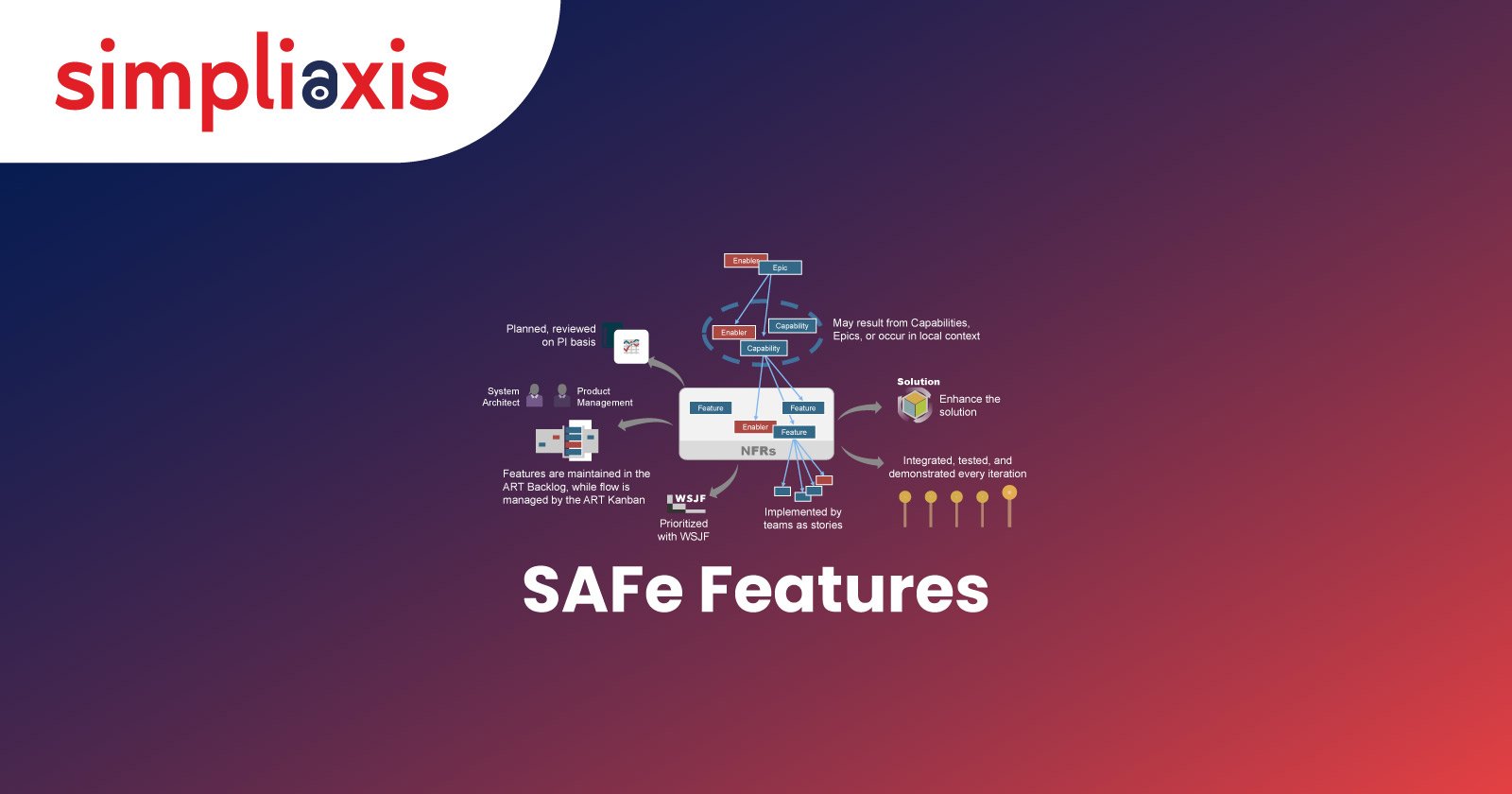
Scaled Agile Framework (SAFe) is a widely used approach for scaling Agile across large enterprises. One of its core components is the concept of features, which play a pivotal role in organizing and delivering appropriate value. A feature in SAFe represents a service that fulfills a stakeholder's need and delivers business value. Understanding the intricacies of SAFe features is essential for aligning development efforts with business objectives and ensuring that teams can deliver impactful solutions efficiently.
One methodology that has gained significant traction in recent years is the Scaled Agile Framework (SAFe). SAFe is a powerful tool for businesses aiming to achieve greater agility at scale, designed to help organizations manage complex projects by integrating lean and agile principles. In this comprehensive guide, we will delve into the SAFe features, providing you with a detailed understanding of how this framework can transform your business operations.
Defining Features in SAFe
Defining features in SAFe involves several critical steps. A feature should clearly articulate what needs to be built and the value it will provide. It typically includes a benefit hypothesis and acceptance criteria to ensure clarity and alignment. The benefit hypothesis explains the expected positive outcome, while the acceptance criteria define the conditions under which the feature will be considered complete. This structured approach helps teams focus on delivering high-value solutions and enables better planning and prioritization.
Types of SAFe Features
SAFe categorizes features into two types to address different aspects of development and delivery. Understanding these types is essential for effective implementation and value delivery.
1. Business Features
Business features are customer-facing and deliver direct business value. These features typically stem from customer needs, market demands, or strategic objectives. Examples include new product functionality, user experience improvements, or new integrations with other systems. Business features are prioritized based on their potential impact on customers and business outcomes.
2. Enabler Features
Enabler features support the underlying activities necessary for business features to be developed and delivered. They are crucial for maintaining the system's health, scalability, and compliance. Enabler features are further divided into:
- Architectural Enablers: Facilitate the evolution of system architecture to ensure scalability, performance, and other quality attributes.
- Infrastructure Enablers: Support the development and testing environments, including tooling, automation, and scripts.
- Compliance Enablers: Ensure the system meets relevant standards and regulatory requirements.
- Exploration Enablers: Facilitate knowledge acquisition through research, prototyping, and learning activities.
The Role of Features in Agile Development
Features are the backbone of Agile development within the SAFe framework. They bridge the gap between business requirements and technical implementation, ensuring that teams work on items that provide real value. By organizing work into features, teams can plan and execute more effectively, keeping the focus on delivering incremental value. Features also facilitate better communication and collaboration among stakeholders, as they provide a common understanding of what is being built and why. This alignment is crucial for the success of Agile initiatives in large organizations.
Steps to Write Effective Features in SAFe
Writing effective features in SAFe requires a clear and methodical approach.
- Start by identifying the stakeholder needs and business goals that the feature will address.
- Next, draft a benefit hypothesis to articulate the expected value.
- Follow this by defining precise acceptance criteria to set clear expectations.
- Ensure that the feature is scoped appropriately—neither too large nor too small—to fit within a single Program Increment (PI).
- Regularly review and refine features based on feedback and changing priorities to maintain alignment with business objectives.
Best Practices for Managing Features in SAFe
Managing features in SAFe involves continuous planning, tracking, and refinement. Use tools like feature boards and backlogs to organize and prioritize features. Engage with stakeholders regularly to gather feedback and ensure that features remain relevant. Implement iterative review processes to assess progress and make necessary adjustments. Encourage cross-functional collaboration to leverage diverse perspectives and expertise. By following these best practices, organizations can enhance their agility and responsiveness, leading to more successful outcomes.
Common Challenges and Solutions
Despite the structured approach of SAFe, managing features can still pose challenges. One common issue is scope creep, where features become overloaded with additional requirements, leading to delays and inefficiencies. To address this, maintain strict discipline in scoping and prioritize ruthlessly. Another challenge is ensuring alignment across multiple teams and stakeholders. Regular communication and synchronization meetings can help mitigate this risk. Additionally, continuously monitor progress and be prepared to adapt plans based on real-time insights and feedback. By proactively addressing these challenges, teams can optimize their feature management processes and drive better results.
Conclusion
By focusing on clear definitions, practical steps, and best practices, this guide aims to help teams effectively manage features within the SAFe framework. Emphasizing alignment with business goals and fostering collaboration will ensure that the implementation of SAFe features leads to successful and impactful Agile development.
SAFe® Courses provides a proper framework for organizations looking to scale agile practices and manage large-scale software development projects. Its features and capabilities are designed to align an organization's strategy with its development efforts, promote collaboration and communication among teams, and deliver value to customers faster. By implementing SAFe® gradually, training teams, and monitoring progress regularly, organizations can successfully adopt SAFe® and enjoy its benefits of increased efficiency, faster time-to-market, and improved customer satisfaction. SAFe® is a powerful tool for organizations looking to stay competitive in today's fast-paced software development landscape.







 Lowest-Price Challenge











 Personalized Path


.webp)


 USA
USA  Canada
 India
India UK
UK Australia
 Singapore


