


 Call Us




Introduction
Agile leadershipis increasingly important for companies that need to adapt fast, respond to shifting customer expectations and deliver business value in uncertain environments. Agile teams thrive on collaboration and continuous improvement. But for an organization to be truly agile, it needs leaders who can align business strategy, empower people, and clear structural obstacles.
That’s whereCAL 2 Certification comes into play. The Certified Agile Leader® 2 (CAL 2™) is an advanced leadership learning pathway through Scrum Alliance that helps professionals apply agile leadership principles to organizational strategy, structure and performance.
In this guide, we’ll cover the benefits of the CAL 2 certification, eligibility criteria, curriculum, course formats, costs, career prospects, and how the credential stacks up against other advanced agile leadership certifications.
If you are an executive, agile coach, Scrum Master or transformation leader, you may find it useful to understand what CAL 2 has to offer so you can decide if it fits your professional development goals.
What Is CAL 2 (Certified Agile Leader 2) Certification?
The Scrum Alliance Certified Agile Leader 2 is an advanced agile leadership certification.It builds on the basic principles of leadership covered inCAL 1 and assists professionals in applying those concepts to larger organizational issues.
The program explores ways in which leaders can connect strategy and execution, improve organizational structures, promote change and develop leadership capacity so organizations can respond to a changing market.
According to Scrum Alliance, CAL 2 explores organizational structure and design, leadership capabilities, and the relationship between agile leadership and organizational performance. You can review theofficial CAL 2 certification overview for the current program details.
Overview of the Scrum Alliance CAL 2 Program
The Scrum Alliance CAL 2 program is designed to help participants move from understanding agile leadership principles to applying them in organizational contexts.
Its learning objectives are:
- Knowledge of the advantages and disadvantages of various structures and designs.
- Exploring the relationship between organizational strategy, performance and value delivery.
- Linking leadership behaviors to adaptability, customer focus and responsiveness to change.
- Developing the capabilities for enabling organizational change and continuous improvement.
- Real-World Workplace Situations Applying Agile Leadership Concepts.
The program is a mix of structured learning, discussion, reflection and practice. Participants can examine challenges from their own organizations and consider how different leadership approaches might improve outcomes.
Scrum Alliance lists CAL 2 as an advanced certification, with CAL 1 as a prerequisite and a learning investment of at least 16 hours. Delivery options depend on the training provider.
How CAL 2 Differs from CAL 1
CAL 1 and CAL 2 are complementary stages in the Scrum Allianceagile leadership learning pathway.
CAL 1 coversfundamentals of agile leadership, leadership models, collaborative teams, adaptability and behaviors that support organizational agility. CAL 2 expands on those ideas and considers how leaders may apply them to inform organizational strategy, structure, and design.
The following table summarizes their main differences.
Area | CAL1 | CAL2 |
Learning Level | Foundational | Advanced |
Primary Focus | Understanding Agile leadership | Applying agile leadership at an organizational level |
Leadership Scope | Team and leadership development | Organizational strategy, structure, and design |
Key Objectives | Build leadership awareness and capabilities | Connect leadership practices with broader business outcomes |
Prerequsities | None | CAL1 |
Typical Audience | Professionals developing agile leadership skills | Professionals advancing their leadership capabilities |
For example, a Scrum Master completing CAL 1 might focus on improving collaboration within a team. After developing the foundational knowledge, CAL 2 can help that professional explore how organizational policies, reporting structures, and decision-making practices affect the team's ability to deliver value.
Who Governs and Issues the CAL 2 Credential?
Scrum Alliance administers the Certified Agile Leader certification pathway and establishes the learning objectives and requirements for its credentials.
Training is delivered by Scrum Alliance-certified trainers through the relevant course offerings. The exact learning experience, schedule, and pricing can vary between providers.
Before you enroll, make sure the course is on the list of approved CAL 2 courses and the trainer is approved to deliver it. That makes sure the training is tied to the official credential, instead of just a general agile leadership workshop.
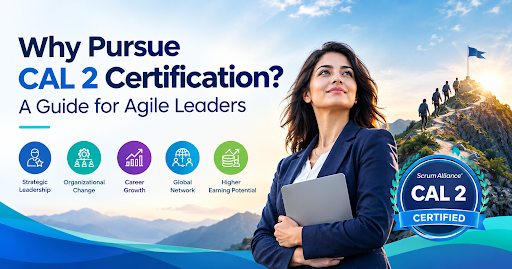
Why Pursue CAL 2 Certification? Key Benefits for Agile Leaders
The CAL 2 certification is more than just a credential to add to a professional’s portfolio. Its primary purpose is to help leaders understand how their decisions, behaviors, and organizational structures impact business performance.
Some of the key benefits of CAL 2 certification are:
Advancing from Foundational to Strategic Leadership
One of the main reasons for pursuing CAL 2 certification is to develop a broader leadership perspective.
Team-level agility is critical, but organizations can find it hard to deliver results when priorities conflict, approvals stall, or departments operate in silos. “Leaders need to be aware of these issues and know how to address them in a broader context.
CAL 2 invites participants to think about the link between leadership decisions and organizational results. They begin to understand how priorities are established, how authority is delegated, and how teams keep work flowing.
This view is especially helpful for those practitioners who are transitioning from operational roles to those that require strategic thinking and cross-functional influence.
Driving Organizational Design and Structural Change
The organizational structure affects the speed of decision-making, the flow of information and how quickly teams can respond to customer needs. However, with traditional structures, conflicting department priorities or decision-making coming through several levels can be limiting. Agile leaders will have to be aware of these constraints and entertain different notions of how to structure work.
As CAL 2 dives into the subject of organizational design and how it relates to strategy and performance, learners may decide to apply these concepts by considering how they answer:
- Do teams organize around customer value or department responsibilities?
- Do employees have enough authority to make decisions promptly?
- Are there dependencies between teams that inhibit delivery?
- Are organizational policies supportive of experimentation and learning?
- Are performance measures fostering collaboration or competition among departments?
The goal is not to adopt a single organizational structure everywhere. Instead, leaders learn to evaluate different options based on their business context.
Building Credibility and Career Advancement
The advanced agile leadership certification can also show a professional’s commitment to leadership development and organizational agility.
For experienced Scrum Masters, agile coaches, managers and consultants, CAL 2 is a good complement to their practical experience, offering a structured framework to talk about leadership challenges.
It could also improve professionals’ capacity to articulate their knowledge of organizational strategy, change and leadership development when seeking relevant roles.
But getting certified is not a ticket to a promotion or a new job. Employers also look for leadership experience, results in business, communication skills and the ability to apply knowledge to real situations.
The most compelling professional profile combines a recognized credential with evidence of effective leadership and tangible organizational improvements.
Access to a Global Agile Leadership Network
Learning with other professionals can be valuable because leadership challenges rarely have one universal solution.
Participants in CAL 2 are also able to connect with people from other industries, functions and organizational contexts. These conversations can demonstrate how other leaders manage resistance to change, team autonomy, structural constraints and competing business priorities.
Scrum Alliance also offers a larger professional community through its learning and membership ecosystem.
For those in consulting, coaching or transformation, they can be a tool for ongoing learning and professional networking. The extent of subsequent interaction depends on the course experience and the extent to which participants interact with the community.
Salary and Employability Impact
One of the most common questions, does CAL 2 certification increase salary?
The answer depends on things like location, industry, professional experience, current role, employer expectations, and responsibilities associated with the next position.
CAL 2 can build a profile for positions that need organizational leadership, transformation experience, coaching, or strategic decision-making. However, there is no universal salary increase that is guaranteed for earning this credential and you should not assume a specific CAL 2 salary premium without reliable evidence to support it.
To assess its potential return on investment, consider:
- Agile leadership or organizational transformation could be in your target roles.
- If the credential builds on your existing qualifications.
- Is your employer supportive of certification-based development?
- Can you translate your learning into business problems with measurable results?
- Whether the benefits to your career are worth the course fees and time commitment.
The most meaningful long-term benefit is the ability to combine leadership knowledge with practical results that employers can recognize.
Who Should Pursue CAL 2 Certification?
CAL 2 is not limited to executives. Scrum Alliance says that it could be of interest to senior professionals, managers, directors, business owners, individual contributors and aspiring agile leaders.
The certification is best suited for professionals who want to understand how leadership decisions and organizational systems impact agility.
Executives and Senior Leaders
It is senior leaders and executives who determine strategy, resource allocation, organizational structure, and business priorities.
CAL 2 can also assist these professionals in determining whether their leadership practices encourage adaptability and value delivery. It also prompts them to think about how organizational design influences collaboration and decision-making.
A digital transformation executive, for instance, needs to align business objectives with product teams, improve cross-departmental collaboration, and foster an environment where teams can respond quickly to feedback from consumers.
Agile Coaches and Scrum Masters Moving into Leadership
The usual first step forScrum Masters and agile coachesis to support teams in getting better at collaboration, delivery and continuous improvement.
As their responsibilities increase, they may face issues that teams cannot resolve, such as conflicting department goals, organizational policies, and pushback from leadership.
CAL 2 provides a wider perspective for tackling these challenges and helps practitioners gain the skills to influence leaders and drive organizational change.
It may be especially relevant for professionals looking to transition into enterprise coaching, agile transformation or organizational development roles.
Change Agents and Transformation Leads
Transformation leads help organizations transition from current ways of working to more adaptive operating models.
This work is not only about the introduction of new processes. That involves understanding organizational culture, stakeholder expectations, leadership alignment and the people side of change.
The focus in CAL 2 on organizational structure, strategy, and leadership can help professionals who are leading change efforts and guiding teams through complex organizational challenges.
Middle Management Driving Team-Level Agility
Middle managers often sit between the strategy of the executive and the day-to-day delivery. They have to translate business priorities into practical decisions, support teams and co-ordinate with other departments.
CAL 2 can help middle managers understand how their own behaviors impact autonomy, accountability and collaboration.
Rather than treating agile practices as something performed only by delivery teams, managers can learn to create conditions that allow teams to solve problems, make decisions, and deliver value more effectively.
CAL 2 Eligibility and Prerequisites
Before enrolling, it is important to understand the official CAL 2 certification requirements and distinguish mandatory prerequisites from recommended preparation.
Mandatory CAL 1 Certification Requirement
CAL 1 is a mandatory prerequisite for CAL 2.
Scrum Alliance states that participants must complete Certified Agile Leader 1 before enrolling in and completing CAL 2. The prerequisite exists because CAL 2 builds on the concepts, practices, and leadership discussions introduced in CAL 1.
According to the official CAL 2 information, CAL 1 can be either active or inactive when you pursue CAL 2. Earning CAL 2 automatically renews CAL 1 under the current Scrum Alliance rules.
Check theofficial CAL 2 requirements before booking your course, particularly if you earned CAL 1 under an earlier program structure.
Recommended Experience and Practical Background
The official prerequisite is CAL 1. The program's audience includes professionals at different career stages, so it should not be presented as requiring a specific executive title or a universal minimum number of years of management experience.
Nevertheless, practical experience can make the learning more valuable.
Participants may benefit from experience in areas such as:
- Leading or supporting teams.
- Facilitating collaboration and continuous improvement.
- Coordinating cross-functional initiatives.
- Coaching individuals or managers.
- Participating in organizational change.
- Making decisions that affect team performance or business outcomes.
Bringing a real workplace challenge to the course can help you connect the concepts with situations you need to address.
Legacy Path (CAL-E, CAL-T, CAL-O) Transition Rules
Some professionals earned earlier Certified Agile Leadership credentials through pathways commonly associated with CAL-E, CAL-T, and CAL-O.
The Scrum Alliance leadership program has since been reorganized into the CAL 1 and CAL 2 pathway. As a result, professionals with legacy credentials should not assume that every older combination automatically satisfies current CAL 2 requirements.
If you hold a legacy CAL credential, review thecurrent Scrum Alliance guidance and ask the training provider to confirm your eligibility before registering. You may need to provide details of your previous certification or learning history so that the appropriate transition rules can be applied.
This is especially important if you earned an earlier credential several years ago or have certifications from multiple CAL learning tracks.
CAL 2 Curriculum: What You'll Learn
The CAL 2 curriculum focuses on applying agile leadership principles to organizational challenges. Although individual trainers may use different exercises and teaching approaches, the course must align with Scrum Alliance's learning objectives.
The following topics explain the main capabilities you can expect to explore.
Organizational Strategy and Alignment
Participants discover how mission, vision, and values impact performance and how leaders can deepen the strategy-to-implementation linkage.
This knowledge can help leaders recognize contexts where busy teams alone are not enough to move the strategy forward.
Practical questions include:
Are business priorities clear and consistently communicated?
- How well do teams articulate how the work of the team contributes to customer value?
Do leaders review priorities when market conditions change?
Are decisions based on outcomes rather than activity alone?
Organizational Design and Structure
Organizational design impacts communication, accountability, dependencies, and the speed of decision-making.
CAL 2 curriculum looks at the advantages and disadvantages of various organizational structures and their impact on performance.
Participants can investigate if the current organizational design facilitates end-to-end value delivery or produces unwarranted hand-offs across functions.
They might also look at how teams, departments and leadership groups can collaborate more effectively without adding on too many layers of control.
Culture and Leadership Development
Agile organizations require not just agile processes. But also leadership practices and cultural enablers that foster learning, collaboration, and change.
CAL 2 helps participants understand how leaders shape culture with their words, actions, and reactions to mistakes. For example, a leader who promotes the use of failing fast and providing feedback to teams could help the organization iterate faster. A leader who harshly punishes each failed experiment might cause people to hide risks.
That is, one needs to be aware of what derails and what fosters agility.
Change Management and Resistance Handling
Organizational change can generate uncertainty, especially when it affects current roles, reporting relationships, or decision-making authority.
Good leaders know that resistance doesn’t always mean lack of desire. Employees may have legitimate concerns about workload, job security, ambiguous expectations or previous unsuccessful transformation attempts.
The CAL 2 provides a framework for thinking about organizational change and the leadership capabilities required to support it.
Some of the best practices include communicating the reasons for change, involving the stakeholders early on, listening to concerns, clarifying expectations, and evaluating progress with feedback.
Decision-Making, Delegation, and Conflict Resolution
Agile leadership needs to strike a balance between accountability and autonomy.
If every decision has to be approved by senior management, it may be difficult for teams to react quickly. Or, if there are no clear boundaries, passing the buck can create confusion.
Participants will learn how to set up decision-making authority, delegate appropriately and clarify accountability.
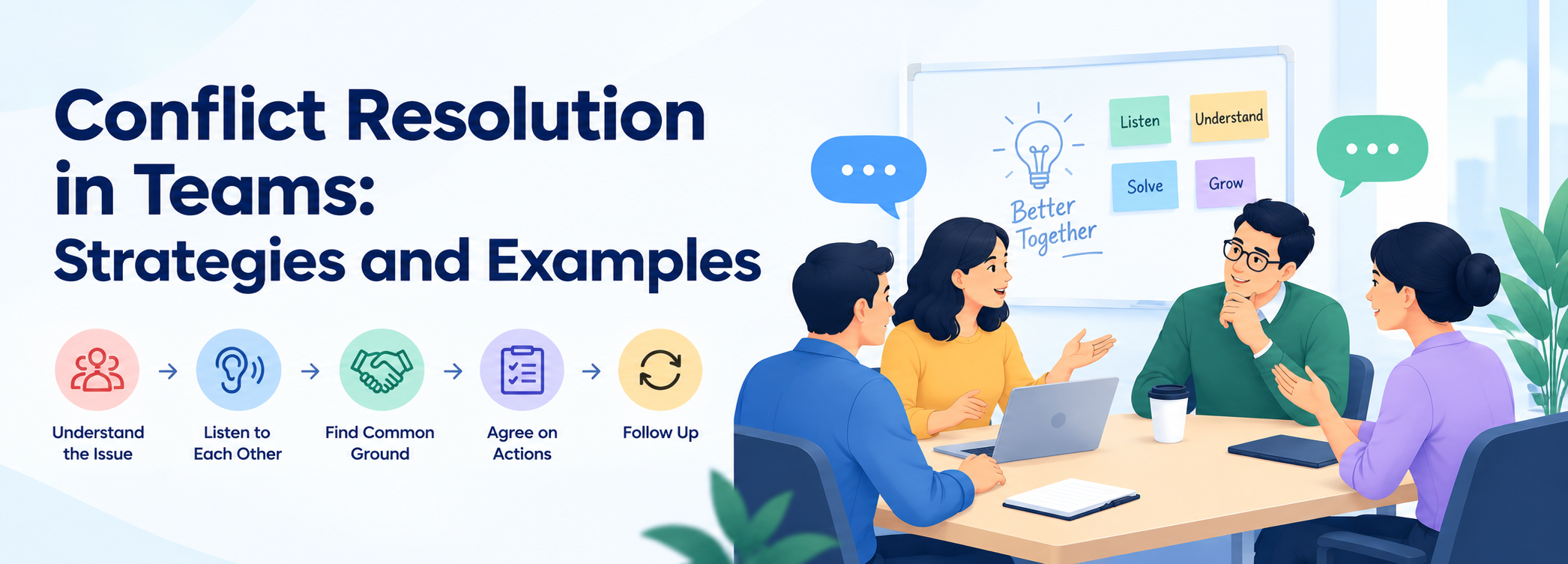
Resolving conflicts is also important. Leaders need to be able to identify competing priorities, hold constructive conversations, and help teams make decisions without damaging working relationships.
These skills come in handy in environments where teams rely on each other, and business priorities change frequently.
CAL 2 Course Format, Duration, and Delivery
The CAL 2 course will be an instructor-led learning experience. The format, schedule and style of training will depend on the certified trainer and training provider.
Live Virtual vs. In-Person Training
Live online or in-person workshops may be available for CAL 2 training.
Live virtual training is ideal for professionals who want flexibility, don’t want to travel, or have geographically distributed teams. It can also help participants from different locations to join the same session more easily.
If a learner prefers to discuss things face to face, do physical group exercises and interact directly with the trainer, then in-person training might be preferable.
Both formats can support meaningful learning if they include active participation and chances to apply concepts.
Don’t just choose for convenience, but compare options by looking at course schedule, class size, trainer experience, interactive activities and attendance requirements.
Typical Course Length (2-Day Workshops)
Many CAL 2 offerings use a two-day workshop format. Scrum Alliance lists a minimum learning investment of 16 hours for the current CAL 2 program, although the precise timetable depends on the course listing.
For example, a provider may schedule two full days of instructor-led training, with activities and discussions spread across the sessions.
Before enrolling, check the exact amount of contact hours and whether breaks are included in the advertised duration before you sign up. And if you have work or personal commitments, review the attendance policy.
Interactive Exercises, Case Studies, and Simulations
The best way to experience agile leadership is when participants can apply concepts to real decisions, rather than memorize the terminology.
Depending on the trainer, course activities may include:
- Leadership reflection exercises.
- Group discussions on organizational design.
- Case studies of organizational change.
- Simulations for studying decision-making and collaboration.
- Exercises on Strategy, Culture and Leadership Behavior.
- Peer feedback and hands-on problem solving.
This allows participants to connect leadership models to the challenges they face in their work. When considering a course, ask the trainer how much time is allocated to discussion and practical application.
CAL 2 Certification Cost and What's Included
The cost of CAL 2 certification depends on the training provider, delivery format, location, and course package. There is no single universal tuition price for every CAL 2 class.
Scrum Alliance explains that its authorized trainers and training partners set their own course prices. The officialcertification course cost guidance recommends reviewing individual course listings for current fees.
Average Course Fees
Prices vary considerably across regions and providers. As an illustration, publicly listed CAL 2 courses have included prices of approximately ₹68,000 from tryScrum in India and US$1,495 for a standard Cprime offering. These are examples of advertised provider prices, not a universal average or a guaranteed current quote.
Prices may change by cohort, delivery location, promotional period, and group size. Taxes and other charges may also apply.
Before making a decision, compare at least two or three suitable course listings and calculate the total cost rather than relying on a headline price.
What's Covered (Materials, Membership, Retake Policy)
The CAL 2 course fee may include the instructor-led workshop, learning materials and the credential-earning process administration.
Depending on the provider’s package, it may also include access to course resources, digital credential information or other learning support.
But do not think that all courses come with the same materials, membership terms or retake benefits.
Before registering, confirm:
- Whether the fee includes all certification-related charges.
- What course materials and resources are provided.
- Whether Scrum Alliance membership is included and for how long.
- Whether any assessment or completion requirements apply.
- Whether a retake policy exists and what conditions apply.
- Whether taxes or additional fees are charged separately.
Getting these details in writing can prevent unexpected expenses.
Discounts, Group Rates, and Refund Policies
Some training providers offer early-registration discounts, corporate group rates or special pricing for specific course dates.
If your employer is footing the bill for the training, ask if the provider offers private workshops or discounted rates for multiple participants.
Also be careful in reading the refund and rescheduling policies. Check the cancellation deadline, whether fees are refundable, and what happens if the provider changes the course schedule.
A slightly more expensive course, if it offers a suitable schedule, experienced instruction and clear learner support, may be better value.
How to Choose the Right CAL 2 Training Provider?
Choosing the right provider can impact the quality of your learning experience. The program is designed so that trainers can adapt their delivery to their style of training, but they all follow the same learning objectives. Compare both the way the course is taught and the credentials of the provider.
Accreditation and Trainer Credentials to Look For
Start by verifying that the trainer is authorized to deliver the current CAL 2 program through Scrum Alliance.
Then evaluate the trainer's professional background and ability to connect leadership concepts with real organizational situations.
Consider the following factors:
- Trainer authorization: Confirm that the trainer is approved to deliver CAL 2.
- Leadership experience: Look for relevant experience in agile leadership, organizational development, or transformation.
- Teaching approach: Ask how the trainer balances theory, discussion, and practical activities.
- Learner support: Understand what resources are available before and after the workshop.
- Course transparency: Check whether the schedule, fees, prerequisites, and cancellation terms are clearly stated.
A recognized provider name is useful, but the individual trainer's expertise and teaching approach also matter.
For any provider, verify that the course you are considering follows the current Scrum Alliance CAL 2 pathway. Course descriptions and prerequisites can differ when a provider also offers related leadership programs.
Questions to Ask Before Enrolling
Before paying for CAL 2 training, ask the provider a few practical questions:
- Is this an officially recognized Scrum Alliance CAL 2 course?
- Who will deliver the training, and what relevant leadership experience do they have?
- Is the course available online, in person, or in both formats?
- What are the total fees, including taxes and any additional charges?
- What learning materials and membership benefits are included?
- What attendance and course-completion requirements apply?
- What are the cancellation, rescheduling, and refund policies?
- Are there opportunities for group discussion and practical application?
The answers can help you choose a course that matches your learning needs and budget.
CAL 2 vs. Other Advanced Agile Leadership Certifications
CAL 2 is one choice in the wider marketplace forAgile Leadership, coaching and enterprise transformation credentials.
There is no “better” credential per se. When comparing certifications, look at the skills you want to build.
CAL 2 vs. ICAgile Certified Expert in Agile Coaching
ICAgile’s expert-levelagile coaching pathwayand Scrum Alliance’s CAL 2 address related but different professional needs.
CAL 2 focuses on the application of agile leadership principles to organizational strategy, structure, design, and performance.
ICAgile’s advanced coaching pathway is more directly relevant to those who want to deepen their coaching expertise, based on the particular credential and learning pathway a professional chooses.
Comparison area | CAL 2 | ICAgile expert-level agile coaching |
Primary emphasis | Advanced agile leadership | Advanced agile coaching capabilities |
Typical focus | Organizational strategy, design, and leadership | Coaching practice, professional development, and coaching impact |
Suitable for | Leaders, managers, coaches, and transformation professionals | Experienced coaches seeking deeper coaching expertise |
Selection consideration | Choose when organizational leadership is a key development goal | Choose when advanced coaching practice is the main goal |
Check the current ICAgile credential requirements before comparing a specific expert-level pathway with CAL 2, because the available designations and prerequisites may differ.
CAL 2 vs. SAFe Agilist / Leading SAFe
This top SAFe training will equip the participants with the expertise and abilities needed to understand and apply the Scaled Agile Framework in the organizations that are implementing SAFe practices.
CAL 2 has a broader agile leadership perspective with a focus on organizational structure, strategy and leadership capabilities.
| Comparison area | CAL 2 | SAFe Agilist / Leading SAFe |
| Primary emphasis | Agile leadership and organizational design | Leadership within the SAFe framework |
| Main context | Organizational agility and leadership development | Coordinating and scaling work using SAFe |
| Typical audience | Leaders, managers, agile coaches, transformation professionals | Leaders and change agents working with or adopting SAFe |
| Main consideration | Best aligned with broader agile leadership development goals | Best aligned with SAFe adoption and implementation needs |
Your strategy will depend on your organization’s operating model and your professional responsibilities.If you are a SAFe user in your organization, thenLeading SAFemay be more immediately relevant. If you want a wider grasp of agile leadership and organizational design, CAL 2 might be a better choice.
When to Choose CAL 2 Over Alternatives
CAL 2 may be appropriate if you want to:
- Learn how organizational design impacts agility.
- Link leadership practices to business strategy and value delivery.
- Support organizational change and transformation initiatives.
- Extend your skills beyond agile practices at the team level.
If your main goal is to get better at coaching, or to use a particular scaling model, then check out the options in that area and pick one before you sign up.
The best certification is one that matches your intended role, practical responsibilities, and development goals.
Skills You'll Gain After Completing CAL 2
CAL 2 is designed to help participants develop leadership capabilities that they can apply to real organizational challenges.
The benefits will depend on how actively you engage with the material and how you apply the learning after the course.
Strategic Agile Leadership
Strategic agile leadership is about connecting the organization’s goals to the work of teams and departments.
You can get a better sense of how decisions made by the leadership impact priorities, coordination and delivery of value. This viewpoint is one that prompts you to consider if day-to-day actions match the organization’s bigger objectives.
It also encourages you to think about how leadership practices can help organizations adapt when priorities or customer needs change.
Organizational Culture Transformation
Culture affects how people collaborate, communicate, learn from failure, and react to ambiguity. CAL 2 can support leaders in thinking about how their own behaviors contribute to these patterns and identify practices that support learning and accountability. They can, for example, promote open communication, set expectations, and provide opportunities for teams to identify issues before they become organizational crises.
Changing culture is a long process, but leadership behavior can help create conditions for progress.
Enterprise-Level Change Management
Enterprise-level change is often a multi-department, leadership group, and competing priority effort.
CAL 2 looks at organizational considerations that impact change and the leadership skills needed to enable agility. Participants can use these concepts to understand stakeholder concerns, to communicate the purpose of change, and to identify structural barriers that may prevent new ways of working from taking hold.
These capabilities are particularly relevant for professionals working on large transformation programs or organizational redesign initiatives.
Authentic and Adaptive Leadership Style
Successful agile leaders adapt their style to the situation rather than relying on one hard-and-fast leadership style.
They know when to tell, when to coach, when to delegate and when to get people together to make decisions.
The CAL 2 offers an opportunity to reflect on leadership capability and the link between behavior, organizational context and performance.
By combining these concepts, attendees can aspire toward a leadership style that is transparent, responsible, team-oriented, and flexible.
Career Outcomes After CAL 2 Certification
CAL 2 can also provide professional development for those interested in leadership and organizational agility. But the result of your career depends on your experience, proven ability, industry demand and employer expectations.
Roles You Can Pursue (Agile Transformation Lead, Enterprise Coach, etc.)
Depending on your experience and knowledge, CAL 2 may contribute to a career pathway leading to:
- Agile Transformation Lead: Facilitates work to improve the organizational agility and ways of working.
- Enterprise Agile Coach: Helps leaders and teams to identify and solve organizational problems while building agility capabilities.
- Agile Practice Lead: Supports organizations in setting up a common management style and agile operations throughout teams or functions.
- Organizational Development Consultant: Guides and manages organizational structural and cultural changes.
- Agile Delivery or Program Leader: Aligns delivery work and business needs, facilitating cross-team collaboration.
- Leadership or Change Management Consultant: Assists the organization in managing change and enhancing leadership.
These are possible career paths, not positions that come immediately with the certification. Employers may also prefer additional experience, domain knowledge, or other qualifications.
Real-World Impact on Hiring and Promotions
CAL 2 shows evidence of professional development in agile management. It might be helpful if a role places a specific value on leadership training, organizational agility or experience with transformation.
But most hiring managers are looking at the whole professional profile, including relevant experience, communication, strategic thinking, stakeholder management and business results.
Connect your learning to concrete examples to make use of the credential.
For example, you might describe how you helped to eliminate cross-team dependencies, improved decision-making, helped with a transformation initiative, or increased collaboration between business and technology teams.
Such evidence can help employers understand how your leadership skills turn into actual value.
Building Toward Certified Agile Leadership (CAL) Full Credential
CAL 1 and CAL 2 form the current Scrum Alliance Certified Agile Leader learning pathway.
Completing CAL 2 demonstrates that you have progressed through the advanced stage of this pathway. If you are working toward broader professional development in agile leadership, you can continue building on the knowledge through practical experience, ongoing learning, and relevant leadership opportunities.
Be sure to distinguish the CAL 2 certification from any broader description of a full leadership credential. Review the current Scrum Alliance program information to confirm which credentials and requirements apply to your particular learning history.
How to Prepare for CAL 2 Certification?
Although CAL 1 is the formal prerequisite, thoughtful preparation can help you get more value from CAL 2 training.
Reviewing CAL 1 Concepts Beforehand
To begin, let’s revisit the leadership principles and models you learned in CAL 1.
Pay particular attention to leadership actions, teamwork, flexibility and the influence of leaders in creating the conditions for successful work. Think about how you might apply these ideas in your current organization. Watch when a team’s performance is impacted by decisions made by the leaders or the team structure.
This preparation will help you connect the foundational concepts with the more organizational focus of CAL 2.
Gathering Practical Leadership Experience
You do not necessarily need to hold an executive title to benefit from CAL 2. But it helps to have examples of leadership challenges to make the learning relatable.
Before the course, reflect on situations such as:
- A project on hold due to cross-functional dependencies.
- A team with unclear decision-making authority.
- An effort to change that is meeting resistance.
- Business and delivery teams have competing priorities.
- A workplace culture that discourages feedback or experimentation
Think about what happened, which leadership decisions influenced the outcome, and what you might do differently.
These examples can help you participate more meaningfully in discussions and exercises.
Setting Personal Leadership Growth Goals
Make two or three specific objectives before taking the course.
You might be targeting a capability such as strengthening influence with senior stakeholders, or gaining an understanding of organizational design or leading change across departments.
Summarise how you will know whether the course has been successful. You could measure how much faster you make decisions, how aligned all the stakeholders are, how autonomous the teams are or how well the organization can prioritize. A clear development plan makes the course a step towards continuous professional development rather than a one-off training.
Common Challenges and Misconceptions About CAL 2
Understanding the limitations and expectations of CAL 2 can help you decide whether the certification is suitable for your needs.
"Is CAL 2 Only for Executives?"
No, CAL 2 is not just for executives.
Possible participants include senior professionals, managers, directors, business owners, individual contributors and emerging agile leaders, Scrum Alliance.
The key question is: do you want to develop advanced agile leadership skills and apply them to organizational challenges?
Even if a Scrum Master or agile coach has no formal authority over an entire department, they can benefit from exploring organizational design and leadership behavior.
"Is CAL 2 Harder Than CAL 1?"
CAL 2 is a more advanced learning level based on the foundations presented in CAL
It’s not only that CAL 2 uses more difficult words. It challenges participants to consider more complex organizational issues like strategy alignment, structural barriers and change across multiple teams or departments.
Professionals who have experienced leadership challenges may be more likely to relate the concepts to real-world situations. A few may need to take a little more time to consider how the ideas apply to their work.
There is no need to approach CAL 2 as a competition with CAL 1. Its purpose is to extend your leadership capabilities.
Addressing Time and Cost Concerns
Time and cost are legitimate considerations, especially for professionals balancing training with demanding work schedules.
The official CAL 2 program requires at least 16 hours of learning investment, and many offerings are organized as two-day workshops. The course fee varies by provider.
To assess whether the investment is worthwhile, consider:
- Whether CAL 2 fits your current role or career path.
- Your employer’s capacity to support the training.
- That you are available to undertake the whole course with no conflicting commitments.
- Does the provider’s fee cover the resources and support you require?
- Whether you have opportunities to apply the learning in your work.
You can also compare course dates and modes of delivery. The lowest price is not always the best value if the schedule, trainer or learning style is not for you.
Conclusion – Is CAL 2 Certification Worth It for Your Leadership Journey?
CAL 2 certification can be a great development opportunity for professionals who want to go beyond agile practices at the team level and understand how leadership, strategy, and organizational design impact business outcomes.
Drawing on CAL 1, the program explores how leaders can create organizational agility, identify structural challenges, align work with strategic priorities and lead change.
It does not concern only executives. Agile coaches, Scrum Masters, middle managers, transformation leads, and other professionals may benefit from this if their responsibilities involve influencing people, improving collaboration, or tackling organizational barriers.
But CAL 2’s value depends on your goals, what experience you currently have, and what opportunities you have to apply what you learn. The certification does not guarantee a pay rise or a promotion, and the cost of it should be weighed against the professional skills you want to develop.
Before you enroll, make sure you meet the prerequisites, compare approved training providers, look over the total course fee and consider how the learning aligns with your career plans.
If leading change, reinforcing strategic alignment and developing broader agile leadership capabilities are on your next career step, the CAL 2 certification is worth considering as part of your professional development journey.







 Lowest-Price Challenge












 Personalized Path






 USA
 Canada
 India
 UK
 Australia
 Singapore


