


 Call Us




Why Agile Thinking Matters in Today's Workplace?
Customer needs, technology, and market dynamics can shift drastically for businesses today. Companies are seeking groups that can adapt, think through problems to solve them, and face change without losing focus on business goals. That's where the Agile Mindset comes into play.
In an Agile Mindset, people and teams are flexible, work together, and focus on activities that are valuable. People with an Agile mindset don't work from a script; they listen to the comments of their team, adjust their actions, and improve their skills through them. This can aid in good decision-making and help organisations to confidently make decisions when they are confronted with problems.
The Growing Demand for Agile Professionals Across Industries
There is a growing need for Agile throughout various sectors like software, healthcare, finance, manufacturing, education, and marketing. Companies are seeking employees who are able to collaborate, embrace change, and are productive on time.
Having an Agile Mindset is no longer limited to Scrum Masters or Project Managers. Product Owners, business analysts, team leaders and even non-technical users are expected to have an understanding of Agile ways of working. As organisations begin their Agile transformation, an Agile Mindset can be adopted to improve job prospects, leadership skills, and to contribute to the business's success.
What is an Agile Mindset?
Definition of Agile Mindset
In order to understand the Agile framework, the Agile events or the concept of Kanban boards, it is necessary to first understand what the Agile Mindset is. An Agile Mindset is the mindset to be adaptable, collaborative, continuously learn, and give value to our customers. It's its belief that change is part of any project and that change should be embraced and not avoided.
Individuals who have an Agile Mindset are accepting feedback, learning from failure, and always striving to get better. They don't have to follow the plans, but instead they solve problems and make incremental value-added improvements over time.
The Agile Mindset is based on the values and principles of the Agile Manifesto. It fosters a collaborative team, flexibility to meet the evolving demands, and customer-focused decision-making. It is not just a way of doing things; it's a way of thinking that impacts daily actions, behaviours and company culture.
Agile Mindset vs Traditional Project Thinking
In the traditional approach to project management, it usually involves lots of planning, specific requirements and stringent processes. Success is often measured by a project plan that is followed. The solution might be appropriate in a stable environment, but may pose a problem in a rapidly changing environment.
Another is an Agile Mindset. Rather than seeing change as a challenge, change is seen as a chance for improvement of outcomes. The Agile teams work in shorter cycles, receive feedback on a regular basis and adjust accordingly.
The Agile Mindset is more about flexibility and learning as compared to the traditional thinking that is mostly concerned with predictability and control. Teams are encouraged to be innovative, cooperative, and to improve their working practices. This way, companies can stay competitive and adapt to the fast-shifting market dynamics.
Why Agile Mindset Matters More Than Agile Tools?
A lot of other entities are implementing Agile tools and frameworks and failing to get the desired outcomes. This is because they tend to concentrate on processes rather than having the correct mindset. While agile tools can help teams work together, they do not replace the team behaviours and attitudes needed to be successful with Agile.
An Agile Mindset will help people embrace a spirit of improvement, dialogue and adaptability, always ready to adjust. Otherwise, the practices of Agile can be tedious tasks that have little effect. Teams can have daily meetings, do Scrum, and not give each other feedback or collaborate with each other.
Remember that the core of Agile is about the mindset and collaboration of people. Tools, frameworks, and techniques are important and effective when coupled with an Agile Mindset. Individuals who have Agile thinking abilities can be more effective in problem-solving, challenges, and making an impact.
How to Understand the Agile Mindset Framework?
The Foundation of Agile Thinking
The essence of the Agile Mindset is change, learning, and improvement. The Agile way of thinking is not about having a fixed plan and process; it is about adapting and being flexible. Emphasis is placed on providing value to the customer and adapting to changing needs.
The foundation of Agile thinking is the Agile Manifesto, which emphasises collaboration, customer feedback, transparency and continuous improvement. Change is about the mindset, and there are some practices and structures to help support the mindset in an Agile Framework. It helps teams to make more effective decisions, to solve problems quickly, and to remain focused on delivering value.
Growth Minded vs Fixed Minded
When learning the Agile Mindset framework, it is important to understand the difference between a Growth Mindset and a fixed mindset. The growth mindset is the belief that skills and abilities can be acquired through learning, effort and experience, according to psychologist Carol Dweck.
People who have a fixed mindset believe that their skills are permanent. They may not be willing to take risks, fear failing, and may not want criticism to be considered as failure. This is a thinking process that may be detrimental to innovation and may reduce the possibilities for improvement.
Those who have a Growth Mindset, however, see problems as opportunities for learning! They are prepared to try things out, to take criticism, and to get better in time. Flaws are not seen as a setback but as a means to a better outcome.
Agile Mindset is very similar to a Growth Mindset. Agile teams recognise that learning goes on and that change can result in better outcomes. They worry about the adaptation, improvement and innovation of new value creation processes. With a growth mindset, people adjust to uncertainty and are better equipped to thrive in Agile settings.
Agile Values, Behaviours and Beliefs
The Agile Mindset is built from a set of values, behaviours and beliefs, which influence how people work together. These values will encourage collaboration, respect, transparency, accountability and customer-centricity. Communication, knowledge and understanding should be shared openly between team members, and members should be committed to a shared purpose.
The philosophy of Agile is about learning, quick feedback and adapting to change. Teams in the Agile community aren't discouraged from failure, but they do learn from it and do better. Their interest is geared toward valuing rather than working.
The Agile Framework provides tools and practices to help these behaviours, but it is fundamental for the success of the Agile values to be practised in the job. These values are embedded in the culture of teams, which leads to improved relationships within teams, increased team performance, and innovation and continuous improvement.
What are the Principles of the Agile Manifesto?
The Agile Manifesto was conceived in 2001, when a group of software professionals realised that something was missing in their software projects and how they were providing value to their customers. It presented us with a set of values and principles of Agile, all of which are based on collaboration, adaptability, customer satisfaction and constant improvement. These ideas are employed in all industries today and are the basis of the Agile Mindset.
The Four Core Values of the Agile Manifesto
The Agile Manifesto is based on four values that help to guide an Agile team's approach to working and making decisions.
1. Individuals and Interactions Over Processes and Tools
The most important aspects of Agile teams are people, communication and collaboration. Both the tools and processes are important, but the results of them are dependent on the effective collaboration that occurs among team members.
2. Working Solutions Over Comprehensive Documentation
While documentation is handy, Agile teams are more interested in producing working results that provide value to their customers. They aim to produce functional products instead of too much paperwork.
3. Customer Collaboration instead of Contract Negotiation
The needs of customers may evolve over the course of a project. Agile involves numerous interactions with the customer to help the customer and the customer's business get to the desired outcome.
4. Responding to Change Over by following a plan
As a part of the agile team, change is inevitable. They are able to quickly pivot and adjust to a different original plan based on feedback and new information.
These values are critical for a business to be flexible, customer-focused, and responsive in a changing environment.
The 12 Agile Principles Explained.
The Agile Principles build on the Agile Manifesto values and offer guidance to teams.
Key Agile Principles are:
Provide value to customers over and over again.
Accept evolving needs, even in late development.
Deliver working solutions frequently.
Facilitate good working relationships between stakeholders and teams.
Construct projects on motivated individuals.
Promote direct and effective communication.
Use working results to help measure progress.
Work at a steady rate.
Prevent problems from being technical or quality-based.
Maintain simple and efficient processes.
Support self-organising teams.
Reflect and develop strategies to improve work regularly.
These Agile Principles enable teams to respond to change, be more productive, and deliver better results while maintaining excellent customer relationships.
Learn MoreHow the Agile Manifesto Shapes the Agile Mindset?
The Agile Manifesto isn't only about stating values and Agile Principles. Fosters flexibility, learning, collaboration and customer focus, which all contribute to developing the Agile Mindset. Agile Mindset people view change as an opportunity, not as a challenge. They seek feedback, learn from experience and enhance their work continually.
The Agile Principles and Values inform the culture of individuals and organisations that leads them to provide innovation, collaboration and long-term success. That's why the Agile Mindset is the focal point of all Agile transformations.
How to Implement Agile Practices?
It is essential to change the way one thinks and works together as a team in order to adopt Agile Practices. It is not only about Agile frameworks, but it is also about having an Agile Mindset with a flexible, collaborative and iterative approach. Teams that operate on the basis of these principles will be more likely to offer value and respond to change.
Initiate Customer-Centric Thinking
The reason these Agile teams are successful is that they consider the customer their primary focus in everything that they do. Ongoing product feedback and the learning from customer wants allows teams to create solutions that have real value. This customer-centric approach is a way to develop Agile Practices and an Agile Mindset.
Build Collaborative Teams
Agile is a team Sport. Teams must be open, sharing and cooperative. Good teamwork facilitates problem-solving and helps businesses successfully implement Agile Practices. An Agile Mindset is also fostered in a collaborative culture.
Embrace Feedback Loops
Frequent feedback enables teams to catch problems as early as possible and make changes promptly. Work is kept on track by customer, stakeholder, and team feedback. Organisations with an environment that encourages feedback enable Agile Practices to evolve over and over.
Practice Iterative Delivery
Agile team will deliver the work in increments rather than in one release. It allows them to try out concepts, get feedback and make adjustments to the project. Iterative Delivery helps to mitigate risk and enhance the quality of the result achieved and also facilitates the proper use of Agile Practices.
Continuous learning sessions and retrospectives will be conducted. Continual learning and retrospectives will be held.
A crucial component of the Agile Mindset is continuous improvement. There must be a constant review of team performance, re-thinking and opportunities for improvement. Retrospectives can help teams tweak their process and enhance their use of Agile Practices, thereby improving over time.
What are the Benefits of an Agile Mindset?
The Benefits of an Agile Mindset are not just restricted to the aspect of project delivery but also to how the individual and team approach challenges, work together and how they grow. Companies with an Agile Mindset have better outcomes, more alignment and better business outcomes.
Faster Decision-Making
Agile Mindset teams can make decisions faster because they continually seek feedback, co-ordinate and utilise real-time information. This reduces delays and allows companies to adjust faster to customer needs and market conditions.
Improved Team Collaboration
One of the main Benefits of an Agile Mindset is collaboration. Agile Teams are open, accountable and collaborative in their work to achieve common goals. This fosters trust amongst the team members and improves team performance.
Enhanced Customer Satisfaction
An Agile Mindset encourages teams to focus on the client's needs and to continually get feedback. Customer feedback can be used to make improvements that can result in the creation of products and services that are more likely to satisfy customer expectations and enhance customer satisfaction.
Improved flexibility
Business is always in a state of change. Companies that have an Agile Mindset are more flexible in changing their course, trying new ideas, and overcoming unexpected obstacles. This means that companies can remain competitive in a rapidly changing business environment.
Improving productivity and innovation.
Continuous Improvement is one of the big benefits of an Agile Mindset. Teams are encouraged to learn, experiment and develop their teamwork. This can lead to improved productivity, problem-solving and innovation.
More Career Advancement Opportunities
Agile Mindset professionals are much sought after in every industry. They can cooperate, adjust and improve as good team players. As more organisations adopt an Agile working style, developing an Agile Mindset can open up new opportunities in the job market, and can help develop your career over time.
What are the Core Characteristics of the Agile Mindset?
The Characteristics of an Agile Mindset are the attributes of people and teams in terms of how they think, how they work together, and how they respond to change. These attributes enable organisations to be flexible, customer-centric, and striving for constant improvement. These are all part of the Agile Mindset and contribute to agile success.
Adaptability and Flexibility
Adaptability is one of the best Characteristics of the Agile Mindset. The Agile practitioners understand that things change and are ready to adapt plans as new information arises. They are not afraid of change – they see it as a means to improving outcomes. Flexibility allows teams to adapt quickly to customer needs, market fluctuations, and unexpected challenges, while maintaining their productivity and focus.
Customer Focus
A powerful Agile Mindset puts customers first when making decisions. Agile teams regularly take input from customers to see what they require and what they expect to get. They want to offer solutions; they do not want to complete tasks. By prioritising customer needs, businesses can enhance customer satisfaction, deepen customer connections, and keep their products and services relevant in evolving markets.
Collaboration and Teamwork
Collaboration is among the key Characteristics of an Agile Mindset. Agile teams collaborate openly, knowing each other's knowledge and being supportive of common goals. Teamwork facilitates innovative and quick decision-making and problem-solving. Trust and communication build an atmosphere in which people feel free to add their abilities and work together better.
Continuous Improvement
An Agile Mindset facilitates teams to continuously seek ways of improvement. Agile professionals are not satisfied with any process; they continually evaluate what they do and strive to make it better. Over time, continuous improvement aids teams in becoming more efficient, minimising mistakes, and achieving improved results.
Transparency and Accountability
Being transparent allows team members to share their progress, challenges, and achievements. Accountability: Responsibility for work and commitments. The Characteristics of the Agile Mindset are a wonderful approach to building trust within the team and a culture of collaborative and rapid problem-solving.
Learning Orientation
Learning is one of the key elements of the Agile Mindset. Agile professionals are always learning, are ready to take feedback, and learn from their mistakes and achievements. Having a learning mindset allows individuals to learn new skills, adapt to change and better function in their roles to meet team objectives.
Ownership and Value Delivery.
The Agile Mindset is about taking responsibility for their work and working towards the delivery of value. They know the role they play in achieving organisational objectives and customer requirements. This role ensures better performance, motivation and outcomes for teams and stakeholders.
Check out :-SAFe® POPM Certification Course
Talk to an ExpertHow to Develop an Agile Mindset?
It takes great desire to learn, adapt, and improve to develop an Agile Mindset. It doesn't happen overnight, but rather with practice and experience. People who gain the Agile Mindset skills can better handle change, collaborate with others and generate value in a changing world.
Embrace Continuous Learning
An Agile Mindset is an agile lifelong learner. Individuals should continue to enhance their knowledge, learn new skills and embrace new ideas. Experience and lessons learned help to build confidence and help in long-term growth.
Get used to change
There is no strict structure to agile working environments; they are normal environments, and they can be described as environments of change. Individuals should accept the idea of a changing plan and new challenges that may arise along the way to developing Agile Mindset capabilities. Adaptability and resilience can be enhanced by the positive perspective of change.
Develop Critical Thinking and Collaboration skills
Critical thinking allows people to think through a situation, solve a problem and make a decision. Also, when teams work together, they can share knowledge and make sure they are all working towards the same goal. An Agile Mindset promotes open communication, teamwork and shared problem-solving, resulting in better outcomes.
Use reflection and feedback to the correct extent
Proper reflection enables people to recognise areas for improvement. Consultation with peers, clients and other stakeholders can give valuable input to the development of an individual and their profession. Develop Agile Mindset: people see the feedback as learning and not as criticism.
Create a Psychological Safety Plan and Growth Plan
A positive atmosphere enables individuals to express their thoughts, ask questions and discuss problems without fear. This enhances the Agile Mindset and promotes innovation. A plan for personal development that specifies learning goals may also enable them to track their progress and continuously improve their Agile skills.
Check out: Certified Scrum Product Owner (CSPO) Certification Training
Common Anti-Patterns to Avoid
Even when an organisation succeeds in making itself Agile, it can develop some bad habits that are not conducive to the Agile Mindset. The teams will gain insight into these anti-patterns to help keep them healthy with Agile Culture and expand their ways of working.
Agile in Name Only
Some perform Agile ceremonies and use Agile tools but continue to use their traditional processes and thinking. Teams can hold stand-up meetings or Retrospectives, but not truly use these as an opportunity to adapt or collaborate. This will cut down on the Agile Mindset and the value of Agile.
Fear-Based Culture
The fearful atmosphere stifles innovation and learning. Staff may not want to put forward suggestions or take criticism because they fear they will be criticised for their suggestions. Agile Culture encourages open communication, trust and learning from failure, rather than blaming.
Perfectionism and Analysis Paralysis
Planning can be important, but not too much and not too much on the perfect solutions; this can stall planning. Agile teams work to learn and improve continually. The Agile Mindset enables teams to make decisions and take risks without fear, and not be held back.
Hero Culture over Team Culture
Sometimes, a few superstars are handed out to organisations rather than team culture. This results in dependency and reduces co-operation. A healthy Agile Culture is about collective success, shared responsibility and the sharing of knowledge across the team.
Resistance to Feedback
There is a need for feedback for growth and improvement. Those groups who do not listen to their customers or to themselves are squandering productive chances for product or process improvement. Feedback for a successful Agile Mindset is a learning opportunity; something to adapt to and improve.
Agile Mindset in Different Contexts
The Agile Mindset doesn't just apply to software development. The principles can be transferred to various sectors for better collaboration, flexibility, and value creation. Businesses across various industries embody Agile thinking to adapt to change and enhance results.
Agile Mindset in the IT and Software Development world
The Agile Mindset is generally applicable in IT and software development since requirements may change in a project. In Agile teams, they work in short cycles, regularly solicit customer feedback and make continuous improvements. This strategy can enable teams to provide high-quality solutions in a timely fashion and minimise risk. Customer needs are everything throughout the development process and are the reason for the close collaboration between the developers, testers, product owners and the Scrum Master.
Agile Mindset in Marketing
The Agile Mindset is a methodology that enables marketing teams to quickly adjust to customer needs and market opportunities. Marketers can enhance campaign performance and provide higher value to customers through regular testing, analysis of feedback, and campaign adjustments.
Agile Mindset for Product Management
Product managers use the Agile Mindset to focus on customer needs, listen to user feedback and make decisions based on data. This will help to keep products moving in the direction of customer needs and desires, and market requirements.
Agile Mindset in Project Management
The Agile Mindset fosters flexibility, teamwork, and ongoing evaluation in project management. Project teams have the flexibility to adjust to the needs, but stay on track for business value and project objectives.
Agile Mindset in Education and Healthcare
Gone are the days when the Agile Mindset was confined to the software development world; today, it is gaining traction in the healthcare and education sectors as a way to create better services and results. These industries are able to adapt and deliver better experiences through collaboration, continuous learning, and adaptability.
Check Out: AI-Empowered SSM Certification Training
Agile Mindset in Remote and Distributed Teams
Communication challenges, time zone differences, and less in-person interaction are all issues that are experienced by remote and distributed teams. With an Agile Mindset, teams can communicate, cooperate, and remain productive while working remotely.
Building Trust Remotely
When it comes to remote teams, trust is a crucial part of the equation. Team members should be sure that all team members are working towards the common goals and are performing their duties. Openness, accountability, and mutual respect are encouraged by an Agile Mindset. When working remotely, regular check-ins, expectations, and support help to foster trust within the team.
Communication and Transparency
One of the elements of the Agile Mindset is good communication. Regularly communicate, encourage open discussions of challenges, and ensure visibility of current activities and tasks. When there is transparency, misunderstandings will be minimised, and everyone will be on the same page. Collaboration tools and effective communication are important in fostering teamwork and better decision-making.
Collaboration Across Time Zones
Many distributed teams operate in different time zones. An Agile Mindset fosters flexibility and allows teams to work collaboratively in effective ways, even when they have differences in their schedules. Smooth working is facilitated by clear documentation, shared goals, and asynchronous communication. Collaboration and adaptability are the keys for remote teams to be productive and valuable.
Explore NowPractical Implications of the Agile Mindset
The Agile Mindset impacts the way that leaders, teams, and organisations do business. The principles enable it to make the workplace more flexible and enable continuous improvement at every level. A cooperative strategy, flexibility, and customer value will facilitate organizations to adjust to the changing needs of business.
Impact on Leadership
Agile Leaders have a mindset of supporting the team instead of making decisions for them. They facilitate, remove obstacles and encourage learning and development. This leadership style can lead to greater employee engagement and drive innovation.
Agile Example: Rather than giving every task to the employees and constantly checking up on them, an Agile manager lets the team know that whatever they decide to do to finish the task is okay. This manager is a facilitator, eliminator, and a decision maker who helps the team be more efficient and responsible.
Influences on Team Performance
When teams work in an Agile Mindset, they communicate more efficiently, they converge on plans more quickly when situations change, and they collaborate to solve problems. Ongoing feedback and shared responsibility enhance productivity, quality and overall team performance.
For example: If the customer feedback for a software development project is to alter the feature, then that's an example. The team doesn't wait till the end of the project to review feedback, prioritise and make improvements in the next sprint. This allows for a better product to be delivered and will reduce re-work.
Impact on the Organisation's Culture
The Agile Mindset helps to build a culture of trust, learning, transparency and continuous improvement. Business organisations which embrace such values are better able to adapt to change, promote innovation, and lead to sustainable business success.
For example, a marketing company meets for reviews once a week, where every staff member can openly discuss what worked and what didn't in the campaigns and what they can do to improve. The organisation doesn't blame shortcomings; it learns from them and creates better campaigns in the future. This helps to create a learning, innovative and continuous development culture.
Check Out: PMP® Certification Training
FAQs on Agile Mindset
1. What is the difference between the Agile Mindset and Agile Methodology?
Agile Mindset is an attitude towards change, collaboration, and continuous improvement. The frameworks and/or practices used to help a team implement Agile principles in their work (such as Scrum and Kanban) are called Agile methodology.
2. Why get certified in the Agile mindset as a PMP/CSM?
PMP and CSM certifications focus on learning Agile principles, teamwork, and adaptive planning. By learning the Agile Mindset, professionals will be able to use Agile concepts, rather than simply copying and pasting frameworks and processes.
3. What is a Lean Agile mindset then?
A lean Agile mindset combines Agile principles with lean thinking. It's about adding value, reducing waste, utilising resources, and always learning from feedback and experience.
4. What do you consider to be the size of an Agile mindset?
Several behaviours can be assessed to gauge the presence of the Agile Mindset, such as adaptability, collaboration, openness to feedback, continuous learning, and effective response to change.
5. Can it be a 'business-first' approach to an Agile mindset?
Yes. The Agile Mindset can be applied to marketing, healthcare, education, finance, manufacturing and other areas where flexibility and continuous improvement are required.
6. How long will it take to create an Agile mindset in an organisation?
An Agile Mindset is an ongoing process. The cultural shift can take place in a few months, but it will take a year in the long haul.
7. Is an agile mindset different from Agile?
An Agile Mindset is one of the attitudes and behaviours, and Agile methodology is one of the structured methods of managing work, like Scrum, Kanban, or SAFe.
8. How to help develop an Agile mindset?
The Agile Mindset can be developed by leaders by encouraging collaboration, learning from what blocks them, experimenting and innovating.
9. What are the biggest challenges for implementing an Agile mindset?
Some of the most frequent issues are: slowing down the change, fear of failure, poor communication, rigid structures and lack of leadership support for Agile practices.
10. Do you have an Agile mindset in a Non-Agile organisation?
Yes. An individual doesn't need to engage an entire organisation to be Agile; they can adapt the Agile Mindset. Not every organisation has to be Agile; a single person can be Agile.
11. Why is there a link between the Agile mindset and psychological safety?
Psychological safety is essential to the Agile Mindset, and it allows individuals to share their ideas, questions, or errors without fear or threat of criticism or punishment.
12. What is the role of failure in an Agile mindset?
Failure is viewed as a learning opportunity in the Agile Mindset. Any errors and setbacks are seen as learning opportunities and are used to improve future performance.
13. What are the benefits of the Agile Mindset?
The Agile Mindset promotes communication, trust, and transparency across oceans and time zones.
14. What's the difference between a growth mindset and an Agile mindset?
The growth mindset is a mindset of growth and learning. The Agile Mindset is based on these concepts and focuses on working in teams, delivering customer value, being flexible and continuously improving.
15. How to prevent the implementation of 'Agile in name'?
They should not just use Agile ceremonies but also work on behaviours, values, and culture. All Agile practices embraced need to be backed by a real Agile Mindset.
16. How does "customer focus” fit in with the Agile mindset?
The key to the Agile Mindset is the customer. Feedback is always taken, and work is continually tweaked to ensure solutions satisfy customer needs and expectations.
17. So what does the Agile mindset have to say about technical debt and quality?
Regular reviews, continuous improvement, and quality-oriented development practices are encouraged in the Agile Mindset, which help reduce technical debt and maintain high standards.
18. How is the Agile mindset different from DevOps culture?
In both DevOps and the Agile Mindset, there is a firm focus on customer value, quick turnaround, ongoing improvement, automation and collaboration with the customer and other stakeholders.
19. In what way is the Agile mindset related to the Scrum values?
Scrum values are aligned with the Agile Mindset and are helpful for teams to apply the principles of Agile well: Commitment, Focus, Openness, Respect and Courage.
20. What do you do when you have a person who is not ready to embrace an Agile mindset?
The coaching should be for education, for real-life examples, for open discussion and for making small changes that will show the benefits of the Agile Mindset over time.
21. How is an agile mindset reflected in a product roadmap?
A roadmap based on the Agile Mindset is still flexible, is open to customer feedback and can shift as the business and user needs change.
22. What difference does an Agile mindset make in hiring and team building?
These are all attributes that are highly desirable in an organisation, as they align with the Agile Mindset and foster adaptability, cooperation, learning, and problem-solving.
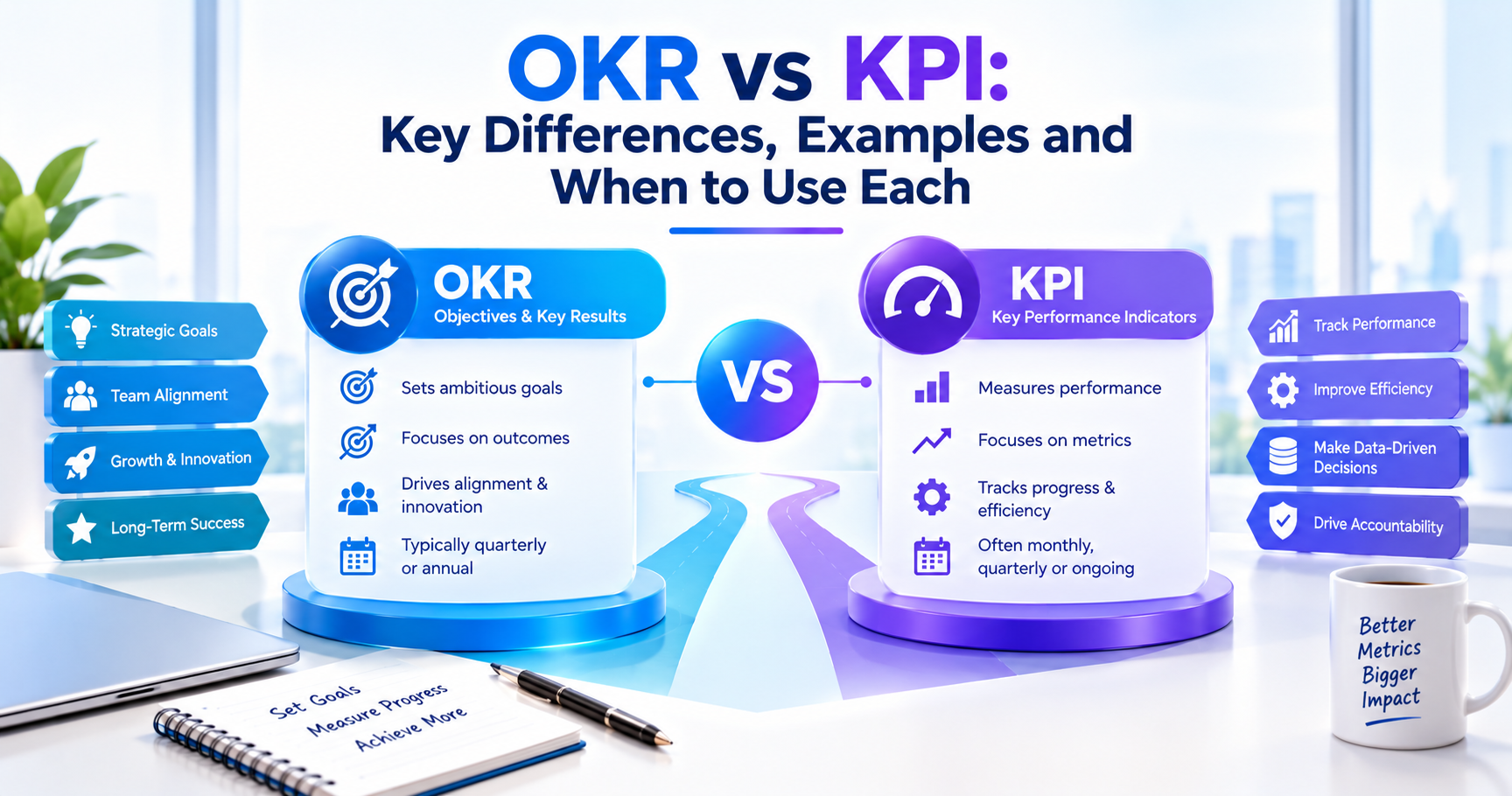
23. How is the Agile mindset related to OKRs?
The Agile Mindset is a mindset that is incorporated into OKRs, which allows a person to learn, be flexible and have regular check-ins to ensure the goals stay relevant and achievable.
Whereas an Agile mindset has a different attitude toward scope creep.
The Agile Mindset deals with scope changes by prioritising work, involving stakeholders and continuously reviewing it on regular cycles to focus on the most valuable work first.
24. Is it possible to maintain compliance and regulatory requirements while using the Agile mindset?
Yes. The Agile Mindset is a part of compliance, and it can bring more transparency, more documentation, and more continuous improvement without being burdened with changes.
Why is the Agile mindset important to customer journey mapping?
Customer journey mapping is a way to gain insights into how customers move through the journey. These insights are continuously used to enhance products, services, and customer satisfaction within the Agile Mindset.
25. What does ‘transparency’ mean to you in an Agile mindset?
Transparency is an integral part of the Agile Mindset. It promotes trust and communication, facilitates problem detection, and facilitates team decision-making.
Conclusion: Building an Agile Mindset for Future-Ready Careers
The Agile Mindset is more than practices and/or frameworks. An attitude to face change, to cooperate and to strive for improvement. In this Guide, we explored the fundamental principles of the Agile Manifesto, the benefits of Agile thinking, the core characteristics, and how to develop Agile skills, using examples of Agile implementations. Professionals can develop their skills and contribute to the organisation's success by demonstrating customer value, teamwork, learning, and adaptability in these areas.
The Future of Agile Careers
Agile practitioners are likely to remain in demand with the ever-changing business models and digital transformation. The Agile Mindset skills are emerging in project management, marketing, healthcare, finance and even education, in addition to software development. These skills are sought after by employers: the ability to work in a team, to cope with uncertainty and to be involved in continuous improvement. Individuals with an Agile Mindset will be more likely to obtain promotions, management opportunities, and career growth.
Creating an Agile Mindset is an ongoing process of learning, adapting and improving. It is the sum of small steps in thinking, communicating, and problem-solving that can yield great outcomes in the long run. By doing so, professionals can maintain their agility and prepare for future challenges and opportunities, while maintaining a focus on value delivery and emphasising Agile values.





 Lowest-Price Challenge











 Personalized Path


.webp)


 USA
USA  Canada
  India
India  UK
UK  Australia
  Singapore


