


 Call Us
_1738228406.jpg)


Introduction
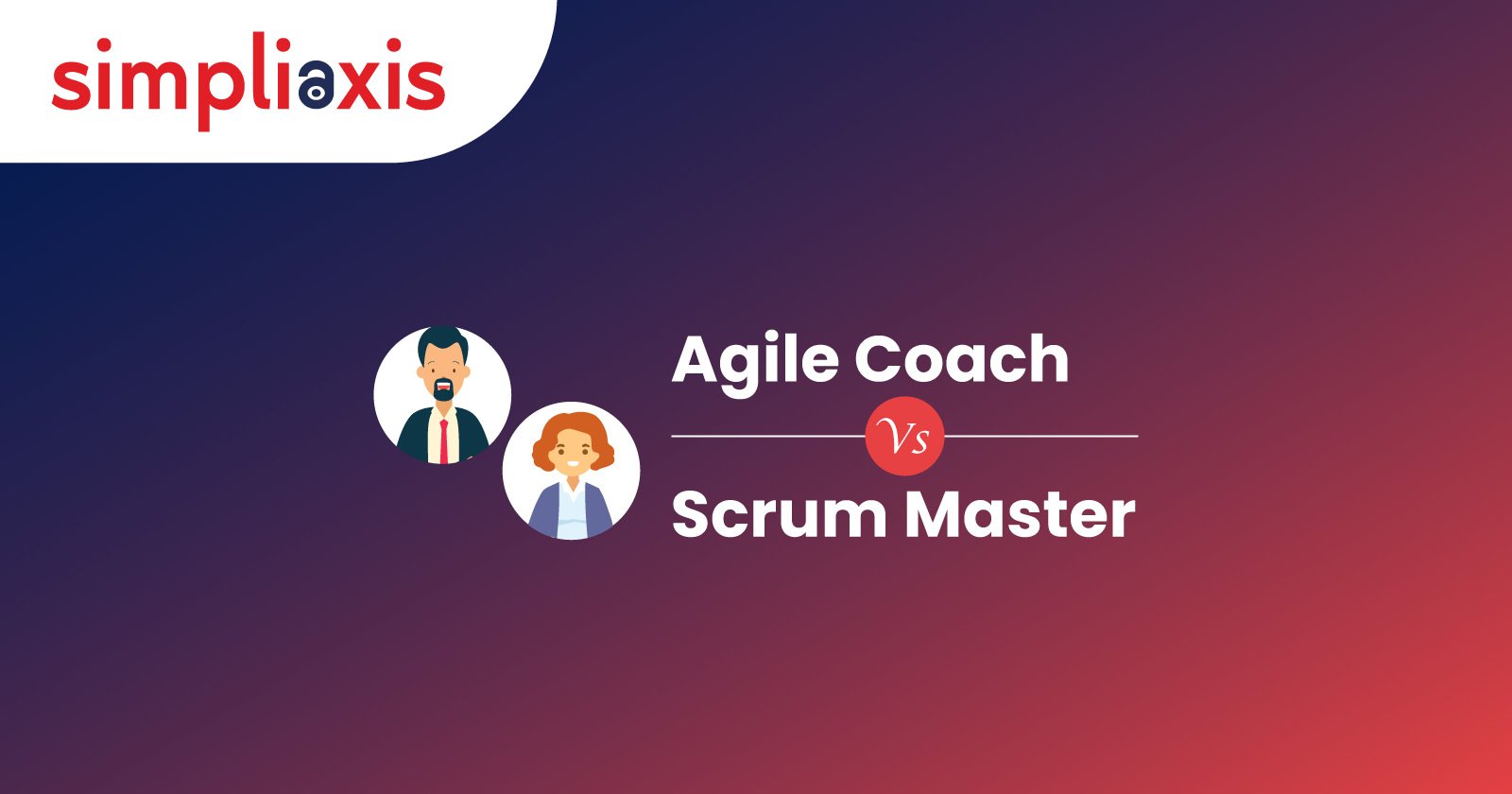
In agile development, the roles of an Agile Coach and a Scrum Master are often discussed and sometimes confused. Both positions are crucial for the success of agile teams, but they serve different purposes and bring distinct skills to the table. Understanding the disparities between an Agile Coach and a Scrum Master can assist organizations in effectively implementing Agile methodologies and enhancing team performance.
Before exploring the distinct roles of an Agile Coach and a Scrum Master, it is essential to understand the Agile methodology itself. Agile is a project management and product development approach emphasising flexibility, collaboration, and customer satisfaction. By breaking down projects into smaller, manageable units called "sprints," agile methodologies enable teams to deliver incremental value and adapt quickly to changing requirements. This blog will discuss the difference between an Agile Coach and a Scrum Master.
Who is an Agile Coach?
AnAgile Coach is a mentor and facilitator who helps organizations implement agile practices effectively.
Key Role & Responsibilities of an Agile Coach
Their primary objective is to foster an agile mindset and culture across the entire organization, ensuring that all teams and departments adopt agile principles.
- Mentorship and Training: Agile Coaches guide teams and individuals, helping them understand and adopt agile methodologies.
- Organizational Transformation: They work with leadership to drive an agile transformation, aligning business objectives with agile practices.
- Facilitating Collaboration: Agile Coaches promote collaboration and communication across different teams and departments.
- Continuous Improvement: They encourage a culture of continuous improvement, helping teams reflect on their processes and outcomes to identify areas for enhancement.
- Conflict Resolution: Agile Coaches assist in resolving conflicts and removing impediments that hinder the team's progress.
Also check:Agile Coach Job Descriptions
Who is a Scrum Master?
A Scrum Master is a facilitator specifically focused on the Scrum framework, one of the most popular agile methodologies. They ensure that the Scrum team adheres to Scrum principles and practices, helping the team deliver high-quality products efficiently.
Key Role Responsibilities of a Scrum Master
- Facilitating Scrum Events: Scrum Masters are responsible for organizing and facilitating daily stand-ups, sprint planning, sprint reviews, and retrospectives.
- Supporting the Product Owner: The Scrum Master helps the Product Owner manage the product backlog and prioritize tasks.
- Removing Impediments: Scrum Masters identify and eliminate obstacles that impede the team's progress.
- Ensuring Adherence to Scrum: They ensure the team follows Scrum practices and principles, fostering a disciplined and productive environment.
Coaching the Team: Scrum Masters coach the team on agile practices, helping them improve their processes and performance.
Agile Coach and a Scrum Master: Key Differences
While both roles are essential in agile environments, there are several key differences between an Agile Coach and a Scrum Master:
Scope of Influence
- Agile Coach: Influences the entire organization, including multiple teams and departments, to adopt and embrace agile practices.
- Scrum Master: Focuses on a single Scrum team, ensuring they follow the Scrum framework effectively.
Responsibilities
- Agile Coach: Broad responsibilities, including organizational transformation, training, and fostering a culture of continuous improvement.
- Scrum Master: Specific to Scrum practices, including facilitating events and supporting the Scrum team.
Skills and Expertise
- Agile Coach: As a skill to become Agile-coach you Requires a deep understanding of various agile methodologies and strong leadership skills to influence organizational change.
- Scrum Master: Needs expertise in the Scrum framework and strong facilitation skills to support the Scrum team.
Agile Coach Vs. Scrum Master: Salary
Agile Coaches generally earn higher salaries compared to Scrum Masters due to their broader scope of responsibilities and expertise. In the United States, the average salary for an Agile Coach ranges from $120,000 to $160,000 per year, depending on experience and location.
Scrum Masters typically earn less than Agile Coaches but still command competitive salaries. In the United States, the average salary for a Scrum Master ranges from $90,000 to $120,000 per year, based on experience and location.
Importance of Both Roles in Agile Teams
Both Agile Coaches and Scrum Masters play crucial roles in the success of agile teams. Their complementary skills and responsibilities ensure that teams not only adopt agile practices but also thrive in an agile environment.
Enhancing Team Performance
- Agile Coach: By promoting a culture of continuous improvement and collaboration, Agile Coaches help teams and organizations reach higher levels of performance.
- Scrum Master: Through diligent adherence to Scrum principles and practices, Scrum Masters enable teams to deliver high-quality products efficiently.
Supporting Organizational Goals
- Agile Coach: Aligns agile practices with organizational goals, driving overall business success and adaptability.
- Scrum Master: Ensures the Scrum team's efforts are in range with the product vision and business objectives.
Path to Becoming an Agile Coach or Scrum Master
Required Qualifications and Certifications:
To become an Agile Coach or Scrum Master, certain qualifications and certifications can significantly enhance your career prospects.
- Agile Coach:
- Certifications: Certified Agile Coach (ICP-ACC), Agile Coaching Skills - Certified Facilitator (ACS-CF), and other relevant agile certifications.
- Experience: Extensive experience in agile environments, often as a Scrum Master or Product Owner, is typically required.
- Scrum Master:
- Certifications: Certified ScrumMaster (CSM), Advanced Certified ScrumMaster (A-CSM), and Professional Scrum Master (PSM).
- Experience: Practical experience working in agile teams and a thorough understanding of the Scrum framework.
Essential Skills and Attributes
Both roles importantly require a combination of technical and soft skills to be effective.
- Agile Coach:
- Leadership and influence
- Strong understanding of various agile methodologies
- Excellent communication and facilitation skills
- Ability to drive organizational change
- Scrum Master:
- Deep knowledge of the Scrum framework
- Strong facilitation and coaching skills
- Problem-solving and conflict-resolution abilities
- Excellent communication skills
Challenges Faced by Agile Coaches and Scrum Masters
Agile Coach Challenges
- Resistance to Change: Convincing an entire organization to adopt agile practices can be challenging due to resistance from employees accustomed to traditional methods.
- Aligning Multiple Teams: Ensuring consistency and alignment across multiple teams and departments requires significant coordination and effort.
- Sustaining Momentum: Maintaining the momentum of agile transformation initiatives over the long term can be difficult.
Scrum Master Challenges
- Team Dynamics: Managing diverse team dynamics and ensuring effective collaboration can be challenging.
- Adherence to Scrum: Ensuring that the team consistently follows Scrum practices can be difficult, especially when under pressure to deliver quickly.
- Balancing Roles: Balancing the needs of the team with the demands of the Product Owner and stakeholders requires careful navigation.
The Future of Agile Coaches and Scrum Masters
As organizations adopt agile methodologies, the demand for Agile Coaches and Scrum Masters is expected to increase. Their roles will evolve to meet the changing needs of agile teams and organizations, emphasizing continuous learning, adaptation, and innovation.
Emerging Trends
- Hybrid Agile Approaches: Combining elements of different agile methodologies to suit specific organizational needs.
- Focus on Agility Beyond IT: Expanding agile practices beyond IT departments to other areas such as marketing, finance, and human resources.
- Increased Use of Technology: Leveraging advanced tools and technologies to enhance agile practices and collaboration.
Conclusion
In the debate of Agile Coach vs. Scrum Master, it is clear that both roles are integral to the success of agile teams and organizations. While their responsibilities and scopes differ, their ultimate goal is the same: to foster an environment where teams can thrive, innovate, and deliver value efficiently. Understanding the unique contributions of each role can help organizations effectively implement agile practices and achieve their strategic objectives. Whether you are considering a career in agile or looking to enhance your team's performance, appreciating the distinct roles of an Agile Coach and a Scrum Master is crucial for navigating the dynamic landscape of agile methodologies.
Enroll in certification courses like SAFe Scrum Master Training, to advance your scrum master career.







 Lowest-Price Challenge











 Personalized Path


.webp)


 USA
USA  Canada
 India
India UK
UK Australia
 Singapore


